Introduction
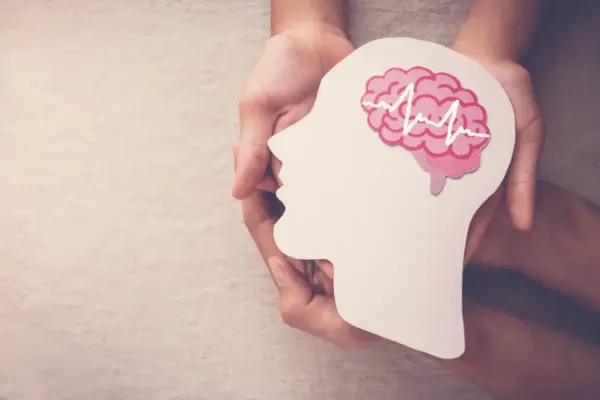
Memory is a fundamental cognitive function that underpins our ability to learn, interact, and navigate our daily lives. It is pivotal not only for personal identity but also for the retention of collective knowledge, making it a critical area of research in psychology and neuroscience. Recent events and studies have underscored its relevance in both mental health and education, prompting ongoing discussions about how we can enhance and protect our memory capabilities.
Types of Memory
Memory can be broadly classified into several types: short-term (or working) memory, long-term memory, and explicit vs. implicit memory. Short-term memory allows for the retention of information for immediate use, such as recalling a phone number, while long-term memory is for information stored over an extended period, ranging from facts to personal experiences. Understanding these types illuminates the processes through which we engage with the world and retain our memories.
Current Research and Findings
Recent studies have highlighted the factors that contribute to memory retention and enhancement. For instance, a 2023 study published in the ‘Journal of Cognitive Neuroscience’ found that regular physical exercise significantly improves memory function in older adults, reducing the risk of dementia. Additionally, the emergence of digital memory aids, such as apps designed to improve recall through gamification and regular testing, has showcased how technology can play a part in memory enhancement.
The Societal Impact
The importance of memory transcends individual experiences; it shapes societal narratives and cultural identities. A loss of collective memory can dilute cultural heritage, especially evident during significant global events like the COVID-19 pandemic, which altered many people’s lived experiences. Initiatives aimed at preserving memories through oral histories and digital archiving are gaining traction as societies strive to maintain a collective sense of identity.
Conclusion
As research into memory continues to evolve, it is clear that enhancing our memory capabilities holds significant promise for improving quality of life. From educational settings to personal well-being, the implications of strong memory function are profound. As techniques for memory improvement and preservation develop, individuals and societies alike can benefit from being more deliberate in their practices surrounding memory. Ultimately, fostering an understanding and appreciation for memory can empower us to navigate our past, enrich our present, and shape our future.
You may also like