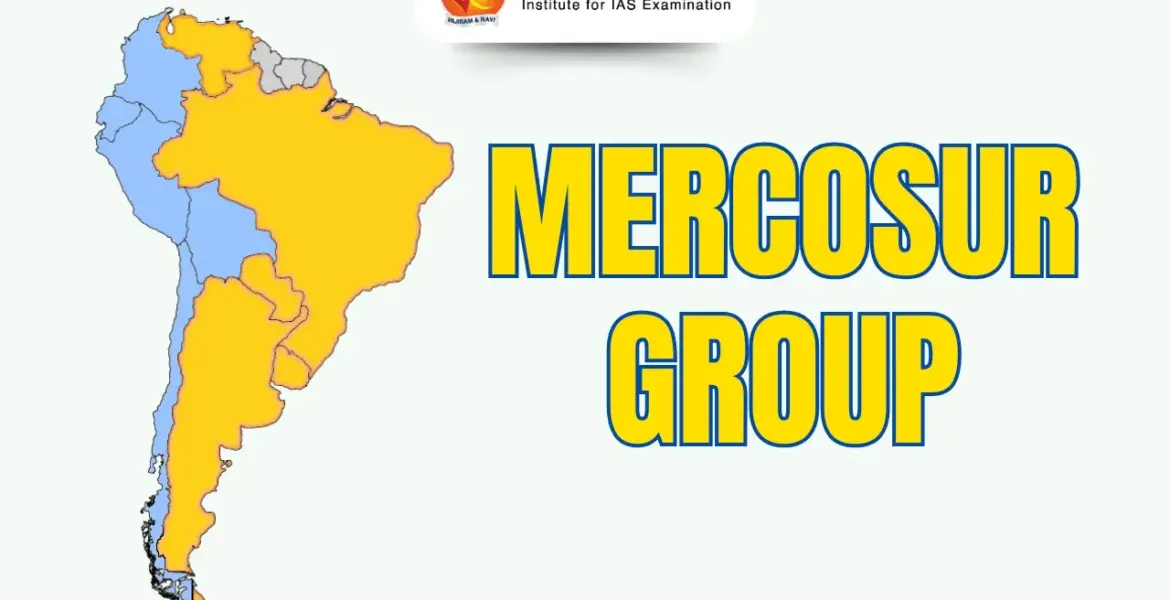
Introduction to Mercosur
Mercosur, officially known as the Southern Common Market, is a regional trade bloc in South America established in 1991. Comprising Argentina, Brazil, Paraguay, and Uruguay as full members, with Venezuela suspended, and Bolivia in the accession process, Mercosur aims to promote free trade and economic integration among its members. The importance of Mercosur lies not only in boosting intra-regional trade but also in enhancing international cooperation and political stability in South America.
Recent Developments in Mercosur
In recent months, Mercosur has been in the spotlight due to ongoing negotiations with various international partners. Notably, in June 2022, an agreement was reached with the European Union after two decades of discussions. This agreement is projected to significantly influence trade patterns across the two regions, allowing for increased access to each other’s markets. However, the implementation of the agreement faces challenges, as some Mercosur countries express concerns over the impact on their agricultural sectors due to competition from European goods.
Additionally, the bloc is looking to enhance trade relations with Asian economies, particularly China, which has shown interest in further cooperation. With growing uncertainties in global trade dynamics, Mercosur’s ability to adapt and foster new relationships is crucial for its member states.
Challenges Facing Mercosur
Despite its potential, Mercosur faces various challenges that affect its role in global trade. Political divisions among member states, varying economic priorities, and external pressures have often hindered cohesive decision-making. For instance, the differing approaches to environmental policies and agricultural practices have raised tensions, particularly regarding the EU-Mercosur agreement.
The Future of Mercosur
As we look ahead, the future of Mercosur will depend on its members’ collective political will and their commitment to integration. Analysts suggest that to thrive in the global landscape, Mercosur must resolve internal conflicts and engage more effectively with external partners. The bloc’s ability to navigate these challenges will significantly determine its impact on regional and global trade over the coming years.
Conclusion
In conclusion, Mercosur holds a critical position in South America’s economic landscape, with the potential to shape trade dynamics far beyond its borders. As negotiations with global partners continue and internal challenges are addressed, the future of Mercosur remains a topic of significant relevance, offering both opportunities and challenges for its members and the broader international community.
You may also like