Introduction
The emergence of new COVID-19 strains has been an ongoing concern for health authorities worldwide. As we enter 2025, understanding the symptoms associated with these new variants is crucial for effective management and prevention. Recent studies have indicated that the latest strains may exhibit differing symptoms compared to earlier variants, underscoring the importance of staying informed.
Latest Findings on Symptoms
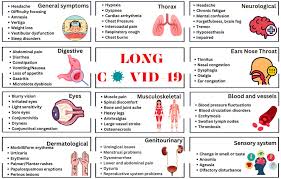
As of early 2025, health experts have identified a range of symptoms linked to the new COVID strain that has become prevalent in several regions. According to a report from the World Health Organisation (WHO), common symptoms now reported include:
- Fever or chills
- New cough
- Shortness of breath or difficulty breathing
- Fatigue
- Muscle or body aches
- Headache
- Loss of taste or smell
- Sore throat
- Congestion or runny nose
- Nausea or vomiting
- Diarrhoea
Notably, some patients have reported gastrointestinal symptoms as more frequent compared to earlier variants, while respiratory symptoms continue to manifest. This shift may reflect how the virus is adapting as it spreads among populations.
Response and Recommendations
In response to the evolving symptoms associated with this new strain, the National Health Service (NHS) has emphasized the importance of testing for COVID-19 whenever symptoms arise. Citizens are advised to remain vigilant and seek medical advice if they exhibit any combination of symptoms. Increased emphasis on vaccination is also being placed, with health officials encouraging booster shots tailored to emerging variants.
The healthcare sector is also revamping public health campaigns to raise awareness, focusing on distinguishing these new symptoms from those of common colds and flu, as many individuals tend to overlook initial signs.
Conclusion
The new COVID strain and its symptoms in 2025 highlight the necessity for ongoing monitoring and awareness to effectively combat the pandemic. As new data continues to emerge, it is vital for individuals to stay informed and take appropriate actions for their health and the health of those around them. Looking ahead, experts project that continued advancements in vaccines and treatments will aid in curtailing the impact of COVID-19, but vigilance remains key as the situation evolves.
You may also like