Introduction
The rising energy debt in the UK has become a crucial concern, especially in the wake of soaring energy prices and the ongoing economic challenges. Ofgem, the energy regulator for Great Britain, plays a significant role in addressing these issues. Monitoring the situation helps identify the support needed for those most affected and ensures that energy market standards are upheld.
Current State of Energy Debt
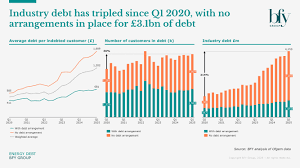
Recent statistics indicate that millions of households across the UK are facing energy debt as of late 2023. According to Ofgem, the average energy bill for households has surged by nearly 70% over the past two years, leading many consumers to struggle with payments. As a result, the energy debt reported by suppliers has reached unprecedented levels, with estimates suggesting an alarming increase of over £1 billion owed by consumers to energy companies.
Ofgem is actively monitoring these debts and has recently introduced measures aimed at supporting vulnerable consumers. Initiatives include facilitating repayment plans and providing guidance to energy suppliers on how to manage customer debts more effectively. Notably, suppliers are discouraged from disconnecting energy services, particularly during the winter months.
Effects on Suppliers and Consumers
High levels of energy debt not only burden consumers but also pose challenges for energy suppliers. Many companies report significant financial pressure due to the outstanding debts which exacerbate operational difficulties. A number of smaller energy suppliers have already exited the market due to these untenable economic conditions.
Consequently, consumers are facing delays in receiving consistent services, and increased prices may be a direct result of these pressures. A study released by consumer rights group, Energy Advice, highlighted that around 18% of households are considering switching energy suppliers due to dissatisfaction with current services regarding debt management.
Conclusion and Future Implications
The ongoing issue of Ofgem energy debt highlights a vital intersection between consumer protection and market stability. Moving forward, it is essential for Ofgem to continue enhancing support for indebted consumers while ensuring energy suppliers adhere to best practices. Without effective intervention, the risk of widespread disconnection and further market instability remains high. Consumers are encouraged to engage with their energy suppliers and explore available support options to navigate these challenging times.
You may also like