Introduction to Phishing
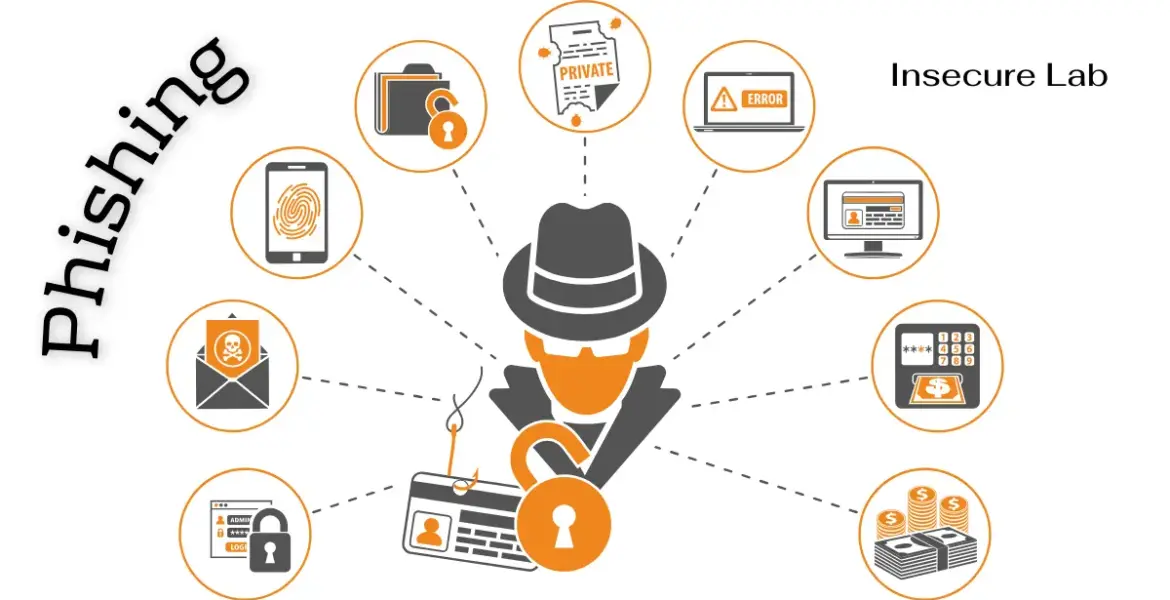
Phishing is a type of cyber attack that involves tricking individuals into providing sensitive information such as usernames, passwords, and credit card numbers by masquerading as a trustworthy entity. In today’s digitally connected world, the relevance of understanding phishing cannot be overstated. As more individuals and businesses continue to rely on online transactions and communications, the risk of falling victim to phishing scams has increased dramatically.
Types of Phishing Attacks
There are several common types of phishing attacks that individuals should be aware of:
- Email Phishing: This is the most prevalent form, where attackers send emails that appear to be from legitimate institutions to entice users to enter personal information.
- Spear Phishing: Unlike general phishing, spear phishing targets specific individuals or organisations, using personalised information to deceive the victim.
- Smishing and Vishing: Smishing involves phishing through SMS messages, while vishing uses voice calls to extract sensitive information from victims.
Recent Trends in Phishing
Recent studies indicate that phishing attacks have evolved, with a significant increase during the COVID-19 pandemic. According to the Anti-Phishing Working Group, over 200,000 phishing sites were reported in a single month during 2020, representing a staggering increase in attempts to exploit global uncertainty. Furthermore, cyber criminals are now employing sophisticated techniques, such as creating fake websites that resemble legitimate ones and employing social engineering tactics to manipulate victims effectively.
Identifying Phishing Attempts
Recognising phishing attempts is crucial in safeguarding personal information. Some red flags include:
- Urgent or threatening language, pressuring the recipient to act quickly.
- Suspicious links or email addresses that do not match legitimate company domains.
- Requests for sensitive information, especially if unsolicited.
How to Protect Yourself
Staying safe from phishing scams requires vigilance and proactive measures:
- Always verify the sender’s email address before clicking on any links.
- Look out for grammatical errors or unusual formatting in emails.
- Utilise security software that provides phishing protection.
- Employ multi-factor authentication for additional security.
Conclusion
Phishing remains a significant threat in the realm of cybersecurity, and staying informed is paramount for protection. As cyber criminals adapt, so must our approaches to safeguarding personal information. With increasing digital interactions, the ability to identify and avoid phishing attacks is invaluable. By taking proactive measures, individuals can significantly reduce the risk of falling victim to these deceitful tactics.
You may also like