Introduction to Phishing
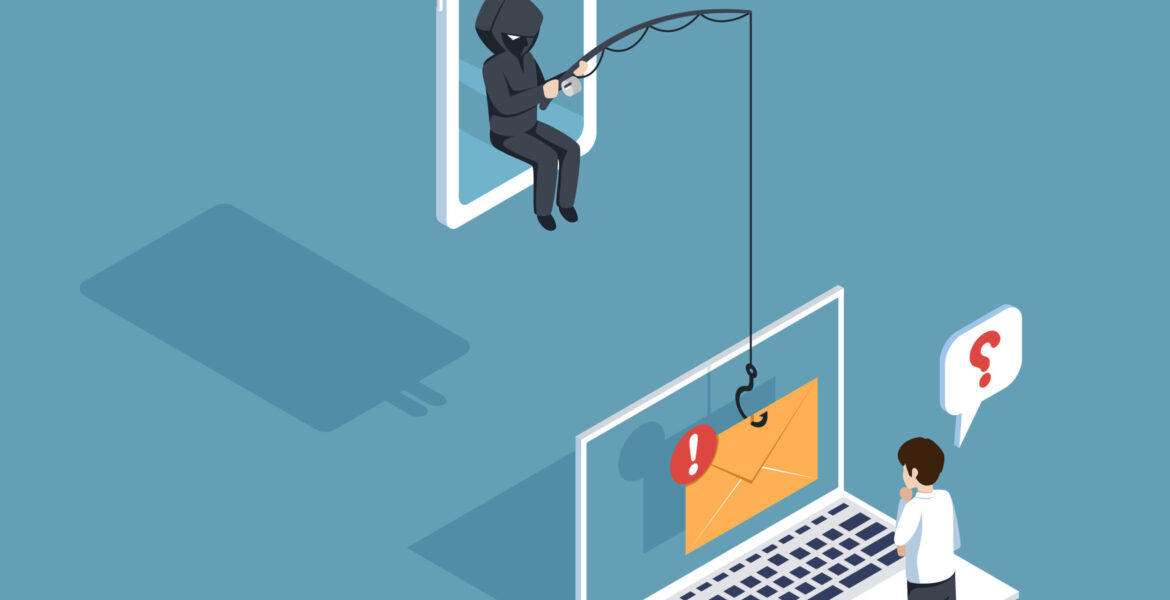
Phishing is a form of cybercrime that involves tricking individuals into providing sensitive information, such as usernames, passwords, and credit card numbers. It is an increasingly prevalent threat in our digital world, as cybercriminals exploit vulnerabilities in human behaviour as well as technological weaknesses. As more people conduct business and manage their personal affairs online, understanding phishing is crucial for safeguarding personal and financial information.
How Phishing Works
Phishing attempts often come in the form of emails, text messages, or even phone calls that appear to be from legitimate sources, such as banks, government agencies, or well-known companies. These communications usually contain a sense of urgency, prompting the recipient to act quickly without reflecting on the authenticity of the message.
For example, a common phishing email may claim that there has been suspicious activity on your bank account and prompt you to click on a link to “verify” your information. Unsuspecting individuals are directed to fake websites that are designed to look identical to legitimate ones. Once they enter their information, it is captured by the cybercriminals.
Recent Trends and Statistics
According to the Anti-Phishing Working Group, there were over 222,000 reported phishing attacks in just one month in 2023, marking a staggering increase compared to previous years. Phishing attacks can target individuals, businesses, or even governmental institutions, and their methods are consistently evolving. Cybersecurity firms note that COVID-19 spurred a dramatic rise in phishing scams, often masquerading as information related to the pandemic.
Protecting Yourself from Phishing
To safeguard against phishing, it is essential to be vigilant. Here are some practical tips:
- Verify the sender’s email address closely, as attackers often use similar addresses to impersonate legitimate sources.
- Do not click on links or download attachments from unknown or unsolicited emails.
- Use two-factor authentication wherever possible to add an extra layer of security to your online accounts.
- Keep your software updated to protect against known vulnerabilities.
- Educate yourself and your family or employees about recognising phishing attempts.
Conclusion
Phishing remains a major threat in the digital landscape, causing significant financial and data losses for individuals and businesses alike. By understanding how phishing operates and implementing safeguards, individuals can reduce their chances of falling victim to these malicious attacks. As phishing techniques continue to evolve, ongoing education and awareness will be vital for maintaining a secure online presence.
You may also like