Introduction to EU Steel Tariffs
Steel tariffs imposed by the European Union have become a critical issue in international trade, affecting not just the EU’s steel market but also global supply chains and international trade relations. Steel is a fundamental material used in various industries, from construction to automotive, making the significance of these tariffs far-reaching. As nations strive for economic recovery in post-pandemic conditions, the nuances surrounding these tariffs gain additional weight.
Recent Developments
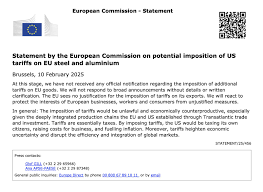
In 2023, the EU implemented a series of measures aimed at regulating steel imports while protecting its domestic market. The tariffs, first introduced in 2018 as a response to the United States’ Section 232 tariffs on steel, have evolved over time. Recently, the European Commission announced a review of these protective measures, citing a need to adjust tariffs to combat market distortions that have arisen globally.
The initial aim of the tariffs was to counteract the surge in steel imports from countries benefitting from lower production costs. However, with changing patterns in global demand, combined with ongoing geopolitical tensions, this review is crucial. For instance, the EU has seen an increase in unfairly priced imports that could further strain local steel producers.
Additionally, ongoing discussions around carbon border taxes and green policies are influencing these decisions. The EU is keen on ensuring that its steel production aligns with environmental goals, which may further modify tariffs based on sustainability criteria.
Impacts on the Steel Industry and Trade
The implications of EU steel tariffs are multifaceted. For European producers, maintained or increased tariffs can mean better price stability and market share. Conversely, it may also pose challenges with rising raw material costs, an issue exacerbated by the war in Ukraine, which has disrupted supply lines.
For non-EU steel exporters, navigating the complex tariff landscape is increasingly challenging. Countries like China and India, which have been traditional exporters, must adapt to restrictions that not only raise production costs but may also limit their access to one of the largest markets in the world.
Conclusion and Future Outlook
The evolving dynamics of EU steel tariffs signify broader themes in international trade, particularly regarding protectionism and global economic interdependence. With ongoing reviews and potential adjustments to tariff structures, stakeholders, including policymakers and industry leaders, will need to stay alert. The efficacy of these tariffs depends on how well they balance the needs of domestic steel producers against the realities of global trade relations.
As the EU continues to shape its steel policies, the focus will likely shift towards sustainability while addressing competitive challenges in the industry. Thus, understanding these developments will be crucial for businesses and consumers alike, illustrating how interconnected the global steel economy remains across regional lines.
You may also like