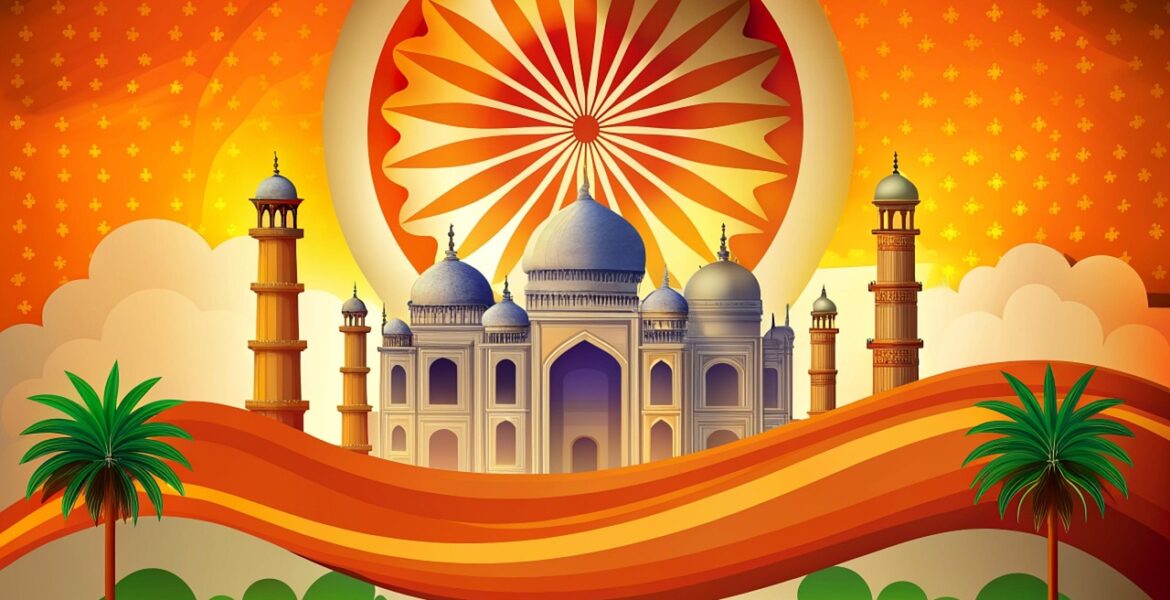
Introduction to Republic Day in India
Republic Day in India, celebrated annually on January 26, marks a pivotal moment in the nation’s history. This day commemorates the adoption of the Constitution of India in 1950, transitioning the country into a sovereign democratic republic. The significance of Republic Day lies not only in its historical context but also in the celebration of India’s diversity and unity, making it a focal point of national pride.
Historical Context
On January 26, 1930, the Indian National Congress proclaimed Purna Swaraj, or complete independence from British rule, establishing a republic as the aspiration of the people. However, it wasn’t until two decades later, post-independence, that India truly became a republic with the implementation of the Constitution, crafted by the Constituent Assembly under the leadership of Dr B.R. Ambedkar. The Constitution laid down the framework for governance and safeguarded the rights of citizens, ensuring equality and justice.
Celebrations and Events
Republic Day is celebrated with grandeur across the country, with significant events taking place in the capital city of New Delhi. The most notable event is the Republic Day parade held at Rajpath, featuring a display of India’s cultural heritage, military prowess, and various tableaux from different states. This event is attended by the President of India, who is the chief guest of the celebrations, along with other dignitaries, including foreign dignitaries, showcasing unity in diversity.
This year, Republic Day 2024 is set to feature cultural performances, military displays, and a fly-past by the Indian Air Force, adding to the festivities. In addition to the parade, schools and communities across India engage in flag hoisting, singing patriotic songs, and organizing programs to honour the Indian Constitution and the sacrifices made for the nation.
Significance for Citizens
Republic Day serves as a reminder of the duties and responsibilities of citizens to uphold the values enshrined in the Constitution. It encourages the youth to reflect on the importance of democracy and the role they play in shaping the future of the nation. The day resonates with themes of patriotism and national integrity, emphasizing the need for harmony and collaboration among diverse cultures in India.
Conclusion
As India approaches another Republic Day celebration, it invites citizens to cherish the fundamental rights and freedoms that the Constitution guarantees. The day acts not just as a celebration of the past but as a motivator for future generations to contribute towards building a stronger and more unified nation. In a rapidly evolving world, the ideals of justice, liberty, and equality remain as relevant today as they were when the Constitution was adopted. Republic Day continues to inspire pride in India’s heritage while looking forward to the promise of progress.
You may also like