Introduction
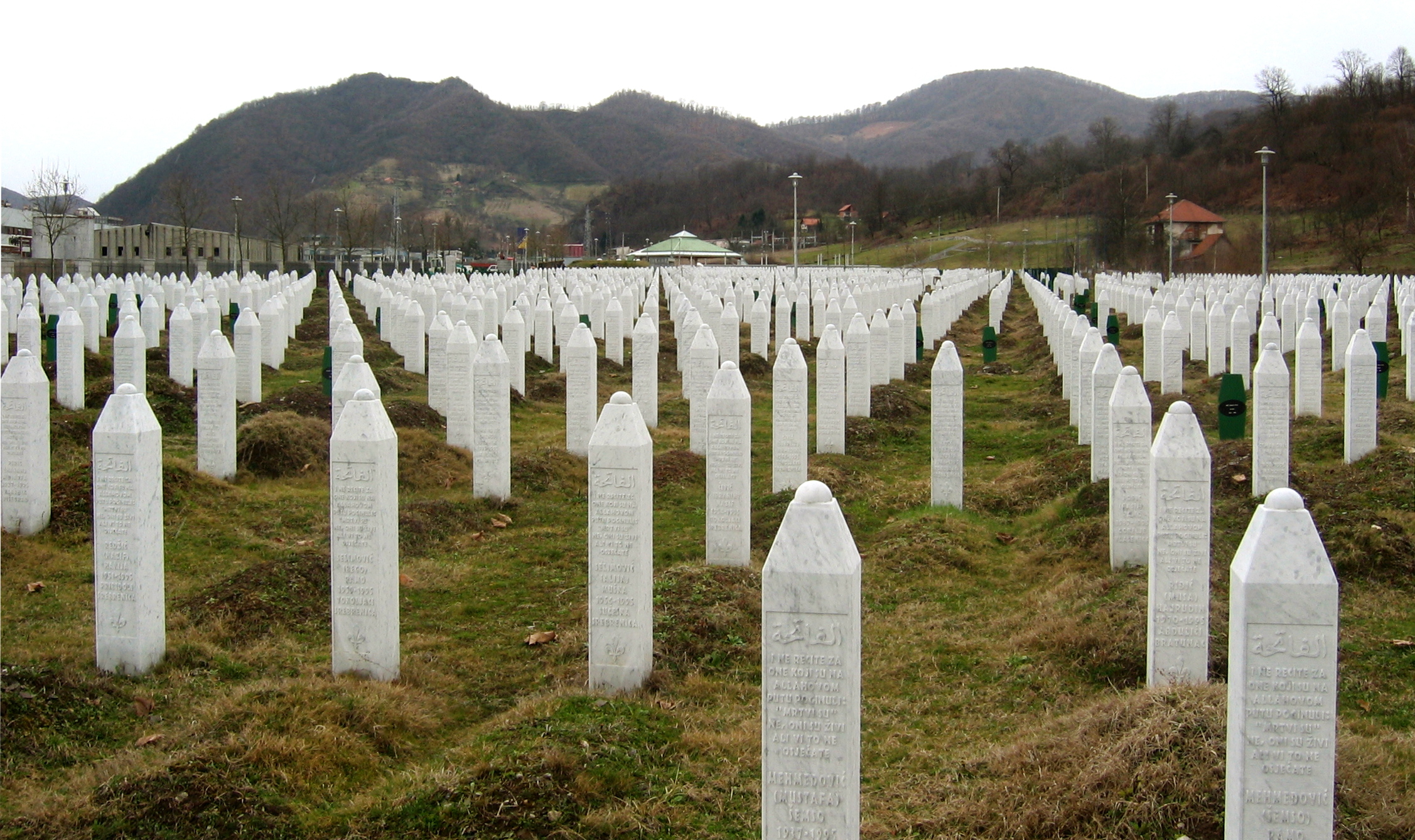
Srebrenica holds a significant place in the collective memory of contemporary history, representing both the horrors of war and the enduring hope for peace. In July 1995, Srebrenica was the site of a tragic genocide during the Bosnian War when Bosnian Serb forces killed more than 8,000 Bosniak men and boys. The event sparked global outrage and has shaped international relations and justice efforts in the decades since, making it a relevant topic for discussions on human rights, reconciliation, and the roles of international organisations.
Historical Context
The events leading up to the 1995 genocide are rooted in the complex ethnic tensions that characterised the breakup of Yugoslavia in the early 1990s. Bosnia and Herzegovina was declared independent in 1992, which exacerbated hostilities between Bosniaks, Croats, and Serbs. Srebrenica was declared a “safe area” by the United Nations in 1993, meant to protect the Bosniak population. However, despite the presence of peacekeepers, the Bosnian Serb Army launched an offensive in July 1995, leading to the massacre.
International Response
The Srebrenica genocide prompted significant international backlash and eventually led to the establishment of the International Criminal Tribunal for the former Yugoslavia (ICTY) to prosecute those responsible for war crimes. Over the years, several key figures, including Radovan Karadžić and Ratko Mladić, have been found guilty of genocide and crimes against humanity for their roles in the atrocities committed.
Legacy and Memory
Today, Srebrenica stands as a symbol of the need for remembrance and education about the consequences of hatred and division. Annual commemorative events draw survivors, international leaders, and advocates for peace, serving as a reminder of the importance of preventing similar atrocities in the future. Educational programmes focused on the genocide have been developed to promote awareness among younger generations, ensuring that the lessons of Srebrenica are not forgotten.
Conclusion
The events that transpired in Srebrenica are a stark reminder of the fragility of peace and the importance of human rights. As the world grapples with rising nationalism and historical revisionism, the legacy of Srebrenica serves as both a warning and a call to action. It underscores the need for continued advocacy for justice, reconciliation, and the prevention of genocide, ensuring that such tragedies are never repeated. Commemorating Srebrenica is not just about remembering the past; it’s also about shaping a more harmonious and inclusive future.
You may also like