Introduction
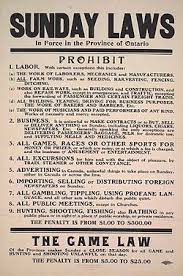
Sunday trading laws in the United Kingdom have long been a topic of public debate and legal scrutiny. These laws dictate when shops can open their doors on Sundays and have significant implications for retailers, employees, and consumers alike. With changes being proposed and implemented in various regions, understanding these laws has never been more important for businesses and shoppers.
Current Status of Sunday Trading Laws
As of now, the Sunday Trading Act 1994 governs the opening hours for larger shops in England and Wales. Under these regulations, stores with a retail area greater than 280 square metres can only open for six continuous hours between 10 AM and 6 PM. Small shops, on the other hand, are permitted to operate without restrictions.
Scotland, however, has a different framework, where there are no restrictions on Sunday trading hours, allowing shops to open as they choose. This difference has led to various discussions regarding the economic impact of relaxed trading laws versus traditional values associated with Sunday.
Impact of Recent Proposals
In recent times, there have been discussions in Parliament about amending the Sunday Trading Act. The COVID-19 pandemic prompted some temporary changes to these laws to allow for extended shopping hours in the interests of public health and safety. While these temporary measures have expired, local councils are exploring the possibility of adopting more flexible trading hours in a bid to support local economies.
Moreover, some retailers advocate for changes that would allow them to compete more effectively with online giants, which have few restrictions on trading hours. Various surveys indicate that many consumers favour extended shopping hours, especially around holiday seasons, adding weight to the arguments for reform.
Conclusion
The future of Sunday trading laws in the UK remains uncertain, with a balance needed between economic interests and social values. As various regions consider changes, stakeholders—from retailers to local governments—must carefully weigh the benefits and potential drawbacks. For consumers, increased flexibility could mean better shopping experiences, while businesses may find it easier to adapt to modern market dynamics. As discussions evolve, keeping abreast of changes in Sunday trading laws will be crucial for all parties involved.
You may also like