Introduction
Tesla, Inc. has become one of the most talked-about companies in the stock market, especially regarding its share price fluctuations. As an electric vehicle manufacturer and technology innovator, the performance of Tesla’s stock is closely monitored by investors, analysts, and market enthusiasts alike. Changes in Tesla’s share price not only reflect the company’s business performance but can also influence the wider trends in the automotive industry and investment strategies around clean energy. With the rise of competition and the changing landscape of EV markets, understanding the factors affecting Tesla’s share price is crucial for potential investors.
Recent Performance
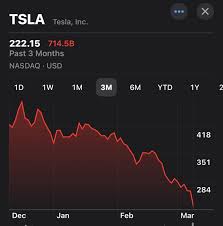
As of October 2023, Tesla’s share price has exhibited significant volatility. Over the past few months, Tesla’s stock has faced downward pressure amid broader market concerns surrounding economic conditions and interest rate hikes. In September 2023, the share price fell by nearly 10%, largely driven by analysts’ predictions regarding slowing demand for electric vehicles and intensified competition from traditional automakers entering the EV market.
Despite these challenges, Tesla’s recent third-quarter earnings report showed a revenue increase of 15% year-on-year, which surprised many market participants and led to a slight recovery in share prices. The report indicated strong sales in China, which has become one of Tesla’s key markets. However, questions remain about the company’s ability to maintain its growth trajectory amid increasing operational costs and supply chain issues.
Factors Influencing Tesla Share Price
Several key factors influence the share price of Tesla. Firstly, production and delivery numbers are critical indicators of the company’s growth potential. Higher-than-expected delivery numbers can lead to stock price surges, as seen during previous earnings reports. Secondly, consumer sentiment and market perceptions of Tesla’s brand impacts investor confidence. Innovative announcements, such as advancements in battery technology or autonomous driving, can also lead to stock price increases.
Moreover, external economic factors like inflation rates, interest rates, and government regulations regarding electric vehicles significantly impact investor decisions. Increasing competition from other EV manufacturers can put additional pressure on Tesla’s market share and stock performance.
Conclusion
As the electric vehicle market evolves, Tesla’s share price will likely continue to fluctuate in response to a wide range of factors. Investors should stay informed about developments within the company and the broader economic landscape. While Tesla remains a leader in the EV space, the forthcoming challenges may create both risks and opportunities in the market. Understanding these dynamics is crucial for making informed investment decisions regarding Tesla’s share price.
You may also like