Introduction to TFL
Transport for London (TFL) is a pivotal authority responsible for the public transport system in Greater London. Established in 2000, TFL operates a vast network that includes buses, underground trains, trams, and the Docklands Light Railway (DLR). With millions of passengers relying on its services daily, TFL plays a crucial role in the city’s economy and infrastructure. Recent developments, especially post-pandemic, have underscored the importance of TFL in adapting to the evolving needs of its users and addressing environmental challenges.
Recent Developments
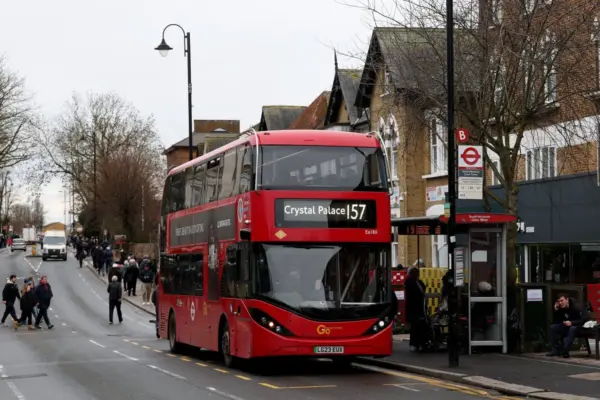
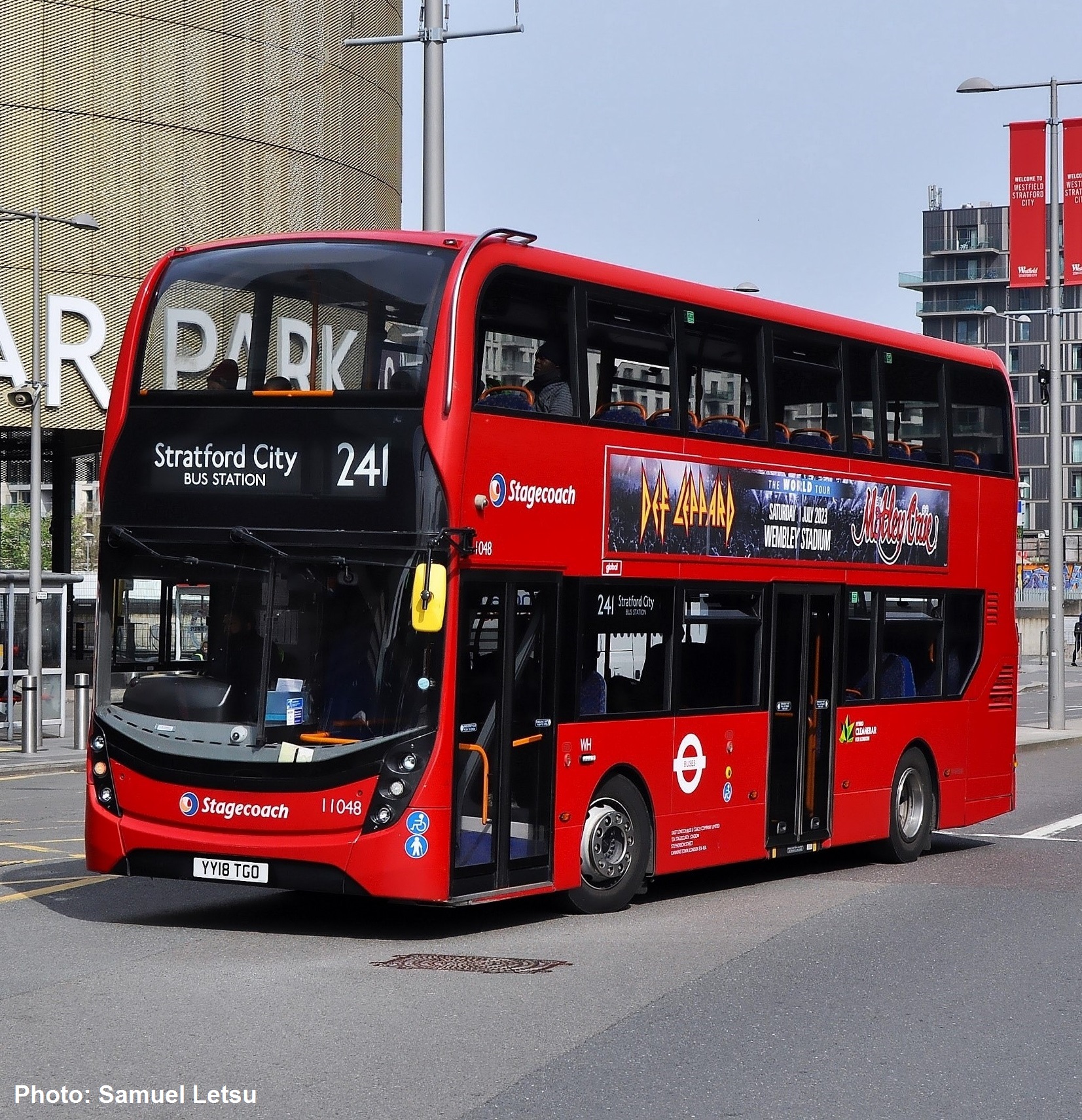
In recent months, TFL has rolled out several initiatives aimed at improving service efficiency and promoting sustainable transport. The introduction of the ‘Hopper’ fare allows passengers to switch buses and trams within an hour for a single fare, significantly enhancing ease of travel across the city. Additionally, TFL has been investing in electric buses, with plans to convert its entire fleet to zero-emission by 2037, contributing to London’s ambitious goal of becoming a zero-carbon city by 2030.
Moreover, TFL has recently launched an initiative to upgrade station accessibility. This upgrade is particularly vital for individuals with disabilities or those who may struggle with mobility. Increased stair-free routes, better signage, and assistance at more stations reflect TFL’s commitment to inclusivity in public transport.
Challenges Ahead
Despite these advancements, TFL faces significant challenges. Financial pressures arising from the COVID-19 pandemic have resulted in reduced fare revenues. In response, TFL has engaged in discussions with government officials for further funding to maintain services and invest in infrastructure improvements. The outcome of these negotiations will be critical in determining the future operational capacity of TFL.
Conclusion: The Future of TFL
The significance of TFL cannot be overstated; it is essential for both daily commuters and tourists exploring London. As TFL continues to innovate and enhance its services, the focus on sustainability and accessibility is vital in shaping the city’s transport landscape for years to come. Looking ahead, TFL aims to not only recover from recent setbacks but also to lead the way in sustainable urban transport solutions, ensuring a smoother, greener journey for all. The ongoing developments will be of great interest to Londoners and visitors alike, as the city’s public transport continues to evolve and adapt to meet diverse needs.
You may also like