Introduction to the 25th Amendment
The 25th Amendment to the United States Constitution is a pivotal piece of legislation that outlines the procedures for presidential succession and dealing with presidential disabilities. Enacted in 1967, this amendment has significant implications for the continuity of government in the United States, especially as the nation navigates complex political and health challenges in the contemporary landscape.
The Structure of the 25th Amendment
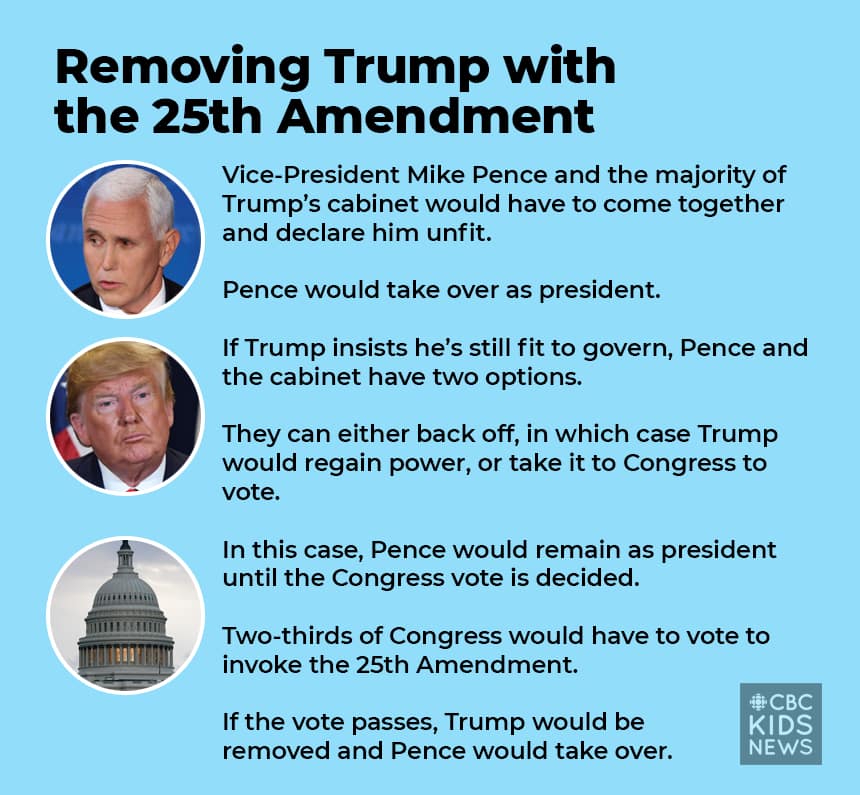
The 25th Amendment consists of four sections. The first deals with presidential succession, clarifying that if the President is removed from office, dies, or resigns, the Vice President will assume the presidency. The second section allows for the appointment of a new Vice President if the office becomes vacant. The third section outlines the procedure for temporary presidential disability, permitting the President to voluntarily transfer power to the Vice President. Finally, the fourth section allows the Vice President and a majority of the Cabinet to declare the President incapacitated—either mentally or physically—which can lead to the Vice President temporarily assuming the role of Acting President.
Recent Context and Application
In recent years, the 25th Amendment has garnered renewed attention amid the ongoing political landscape and public health discussions surrounding the COVID-19 pandemic and the health of political leaders. For instance, debates around the amendment surfaced during health episodes involving President Joe Biden and former President Donald Trump. Concerns about whether these leaders could fulfill their duties prompted discussions about the procedures outlined in the 25th Amendment, illustrating its relevance in contemporary governance.
Conclusion and Implications
The 25th Amendment serves as a crucial safeguard to ensure continuity of government in the event of presidential incapacity. In an era marked by political polarization and health uncertainties, understanding this amendment’s implications becomes even more significant for voters and political observers alike. As future presidential elections loom and the potential for crisis remains, the 25th Amendment is a reminder of the mechanisms in place to protect democratic governance and the importance of preparedness in the face of unforeseen circumstances.
You may also like