Introduction
The Barclays share price is a significant indicator of the bank’s performance and investor confidence in the financial sector. As one of the UK’s leading financial institutions, any fluctuations in its share price are closely monitored by market analysts and investors alike. In this article, we delve into the current state of Barclays shares, exploring the influencing factors, recent trends, and their implications for investors.
Current Share Price Overview
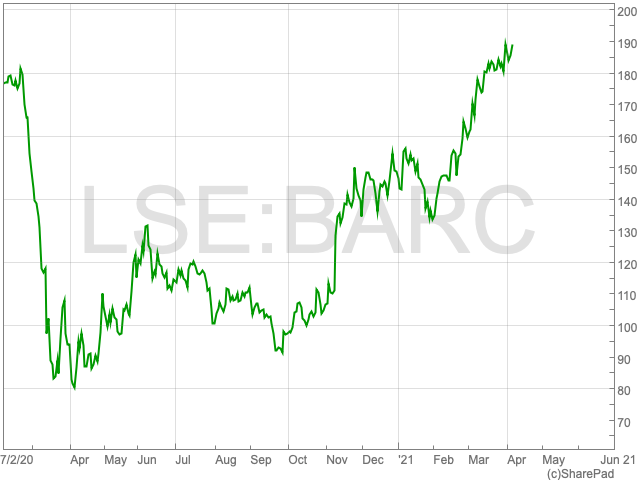
As of October 2023, the Barclays share price stands at approximately £1.80, showing a slight increase from the previous month. Over the last quarter, shares have experienced volatility, dropping below £1.65 before rebounding. This fluctuation aligns with broader market trends, influenced by various economic factors, including interest rate changes and inflation concerns.
Factors Influencing the Share Price
Several factors have contributed to the recent performance of Barclays shares:
- Interest Rates: The Bank of England’s decisions regarding interest rates directly impact banks’ profit margins. An increase in rates generally supports higher profitability for banks, positively affecting share prices.
- Regulatory Environment: As a major financial institution, Barclays is subject to stringent regulations. Changes in compliance requirements can impact operational costs and, consequently, share performance.
- Economic Conditions: Global economic health significantly influences investor sentiment. Factors such as inflation rates, consumer spending, and GDP growth play pivotal roles in shaping market expectations.
Recent Developments
Recently, Barclays announced its third-quarter earnings, revealing a robust improvement in profits, largely due to increased lending and lower loan loss provisions. This announcement, coupled with strategic investments in digital banking and sustainable finance, has bolstered investor confidence, contributing to the recent rise in share prices.
Looking Ahead
Market analysts predict that the Barclays share price will remain subject to volatility in the coming months, particularly with upcoming economic announcements and potential shifts in monetary policy. Investors are advised to stay informed about market conditions and consider diversifying their portfolios to mitigate risks associated with fluctuations in share prices.
Conclusion
The Barclays share price serves as a crucial barometer for both individual and institutional investors within the financial market. Given the current economic landscape, characterised by uncertainty and evolving regulatory frameworks, understanding the underlying factors affecting Barclays’ performance is essential for making informed investment decisions. As the bank continues to evolve and adapt to market challenges, its share price will likely reflect both its resilience and growth prospects in the financial sector.
You may also like