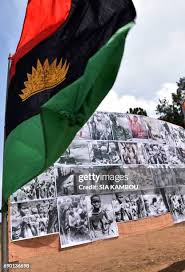
Introduction
The Biafra movement is a significant socio-political phenomenon in Nigeria, reflecting deep-seated historical grievances and aspirations for self-determination among the Igbo people. The movement’s relevance has surged in recent years, particularly among younger generations who feel a disconnect with the central government. Understanding the roots and ongoing implications of the Biafra movement is crucial for grasping the broader dynamics of Nigerian politics and ethnic relations.
The Historical Background of Biafra
Biafra emerged as a self-declared republic during Nigeria’s Civil War from 1967 to 1970, following decades of ethnic tension, particularly against the backdrop of the 1966 coups and widespread massacres of Igbos. This attempt at secession was brutally suppressed, leading to significant loss of life, with estimates of a million deaths largely due to starvation and conflict. Despite its defeat, the desire for Biafran independence has never vanished, becoming entrenched in cultural identity and political discourse.
Resurgence and Modern Activism
In recent years, the Biafra movement has gained momentum through the Indigenous People of Biafra (IPOB), led by Nnamdi Kanu. The group has harnessed social media to articulate its message and rally support for a renewed push for independence. Their campaigns have sparked significant international attention, particularly concerning allegations of human rights abuses by the Nigerian government in response to peaceful protests.
Current Developments
The significance of Biafra in modern Nigeria is underscored by ongoing tensions between IPOB and federal authorities. In 2021, the Nigerian government designated IPOB as a terrorist organisation, prompting accusations of repression and human rights violations. The situation remains volatile, exacerbated by factors such as widespread poverty, corruption, and uneven resource distribution, which continue to fuel discontent among the populace.
The Future of Biafra and Its Implications
Looking ahead, the prospects for Biafran independence or greater autonomy remain uncertain. The movement’s resurgence has led to discussions on federalism and restructuring the Nigerian state to accommodate its diverse ethnic groups. Analysts suggest a growing recognition of the need to address the underlying grievances that have given rise to such movements, indicating that resolving these issues could mitigate conflict and foster national unity.
Conclusion
The Biafra movement is not just a relic of the past; it represents a continuing struggle for identity, autonomy, and justice within Nigeria. For observers of Nigerian politics, understanding the trajectory of Biafra is important for anticipating potential challenges ahead. As calls for independence grow louder, the Nigerian government may have to reassess its approach to governance and engagement with minority groups, making compromises necessary for peace and stability in the region.
You may also like