Introduction
Boa constrictors are one of the most well-known species of snakes, famed for their impressive size and distinctive methods of hunting and constricting prey. As non-venomous snakes, they play a significant role in their ecosystems by regulating populations of smaller animals. Their behaviour and habitat make them a subject of fascination for biologists and wildlife enthusiasts alike.
Species Overview
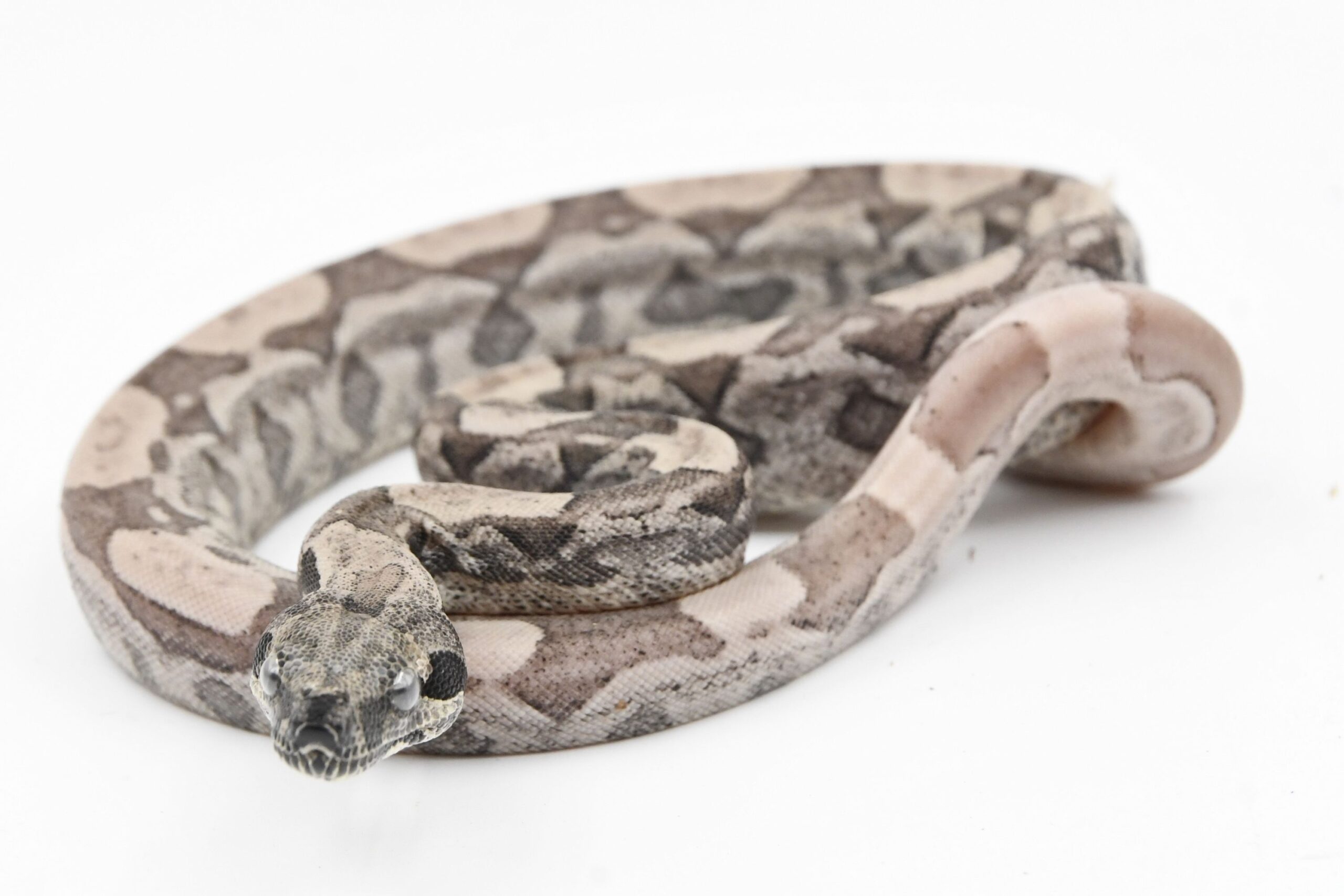
The boa constrictor (Boa constrictor) is native to a wide range of habitats in Central and South America, as well as parts of the Caribbean. These large snakes can grow to lengths of 3 to 4 metres, with some individuals even exceeding 5 metres. They are known for their robust body, which can weigh up to 27 kg. The skin of a boa constrictor is typically patterned in shades of brown or grey, aiding in camouflage against the forest floor or rocky surfaces.
Habitat and Distribution
These snakes inhabit a variety of environments, including tropical rainforests, savannas, and semi-desert regions. They are primarily arboreal, often found coiled around tree branches, but are also known to thrive on the ground. Their distribution ranges from Mexico down through Central America and across South America to Argentina.
Behaviour and Diet
Boa constrictors are nocturnal hunters, meaning they are most active at night when they search for prey. Their diet mainly consists of small to medium-sized mammals, birds, and occasionally reptiles. They employ a striking technique where they capture their prey with their teeth and then constrict it by wrapping their powerful bodies around the victim, tightening until the prey suffocates.
Conservation Status
While boa constrictors are commonly found in the wild, their populations are affected by international wildlife trade and habitat destruction. The IUCN Red List currently classifies them as “Least Concern,” but in some areas, local populations may be threatened. Conservation efforts are underway to ensure sustainable populations and the preservation of their natural habitats.
Conclusion
Understanding the behavior and ecological role of boa constrictors is crucial for continued conservation efforts. As apex predators, they help maintain the balance of their ecosystems. Continued research and public education about these remarkable creatures can aid in ensuring their survival for generations to come. Their significance in both biodiversity and the collective knowledge of reptile enthusiasts cannot be understated.
You may also like