Introduction
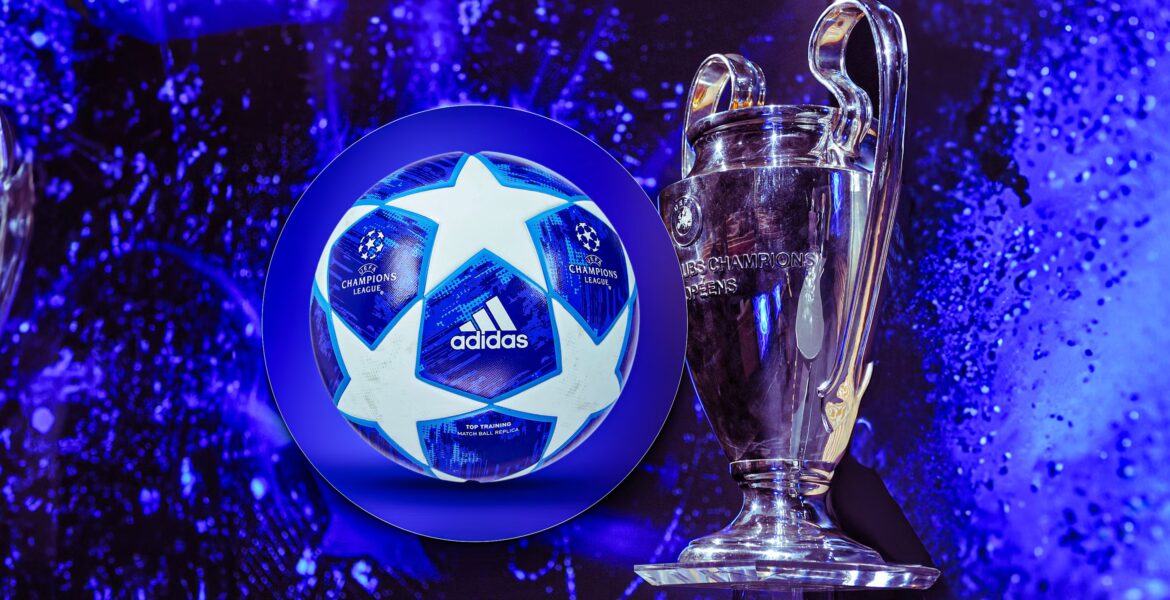
The UEFA Champions League is one of the most prestigious football tournaments globally, showcasing the best clubs in Europe. The format of the competition is not only essential for participating teams but also highly relevant for football fans worldwide. This article delves into the current Champions League format, exploring its structure and implications for clubs aiming for glory.
Current Format Overview
The Champions League format has evolved over the years, with the current structure comprising several key stages. The tournament begins with a qualification phase featuring teams from various European leagues that do not automatically qualify for the group stage. This phase includes multiple rounds, where teams compete in a knockout format to secure a place in the group matches.
Following the qualification rounds, 32 clubs advance to the group stage. These teams are drawn into eight groups of four, with each club facing the others in home-and-away matches. The top two teams from each group, based on points accrued, progress to the knockout stage.
Knockout Stage and Finals
The knockout stage is where the tournament heat intensifies. It consists of four rounds: the Round of 16, Quarter-finals, Semi-finals, and the Final. Each round is played over two legs, with aggregate scores determining which teams advance. The two-legged format ensures that both home and away performances are crucial for progression.
The climax of the tournament is the final, held at a neutral venue, where the two best teams compete for the coveted trophy. The 2022-23 final, for instance, took place at the Atatürk Olympic Stadium in Istanbul, Turkey, showcasing the grandeur of this prestigious event.
Recent Changes and Future Prospects
Recent discussions have proposed changes to the format, particularly concerning the group stages, aiming to increase the number of matches and create a more dynamic competition. These modifications, including ideas for a Swiss-model league phase, have sparked debates among clubs, fans, and governing bodies about maintaining the tournament’s integrity while enhancing its commercial viability.
Conclusion
The Champions League format is crucial for the landscape of European football, impacting clubs’ strategies, fan engagement, and broadcasting rights. With ongoing discussions about potential changes, the future of this iconic tournament remains an intriguing topic for fans and analysts alike. As clubs continue to vie for European supremacy, understanding the format is essential for appreciating the tournament’s high stakes.
You may also like