Introduction
The topic of retirement age remains a crucial aspect of economic and social policy across the UK. As populations age and life expectancy increases, debates around when individuals can retire are gaining momentum. The implications of changing retirement ages are significant, affecting everyone from the workforce to pension systems and social services.
Current Retirement Age in the UK
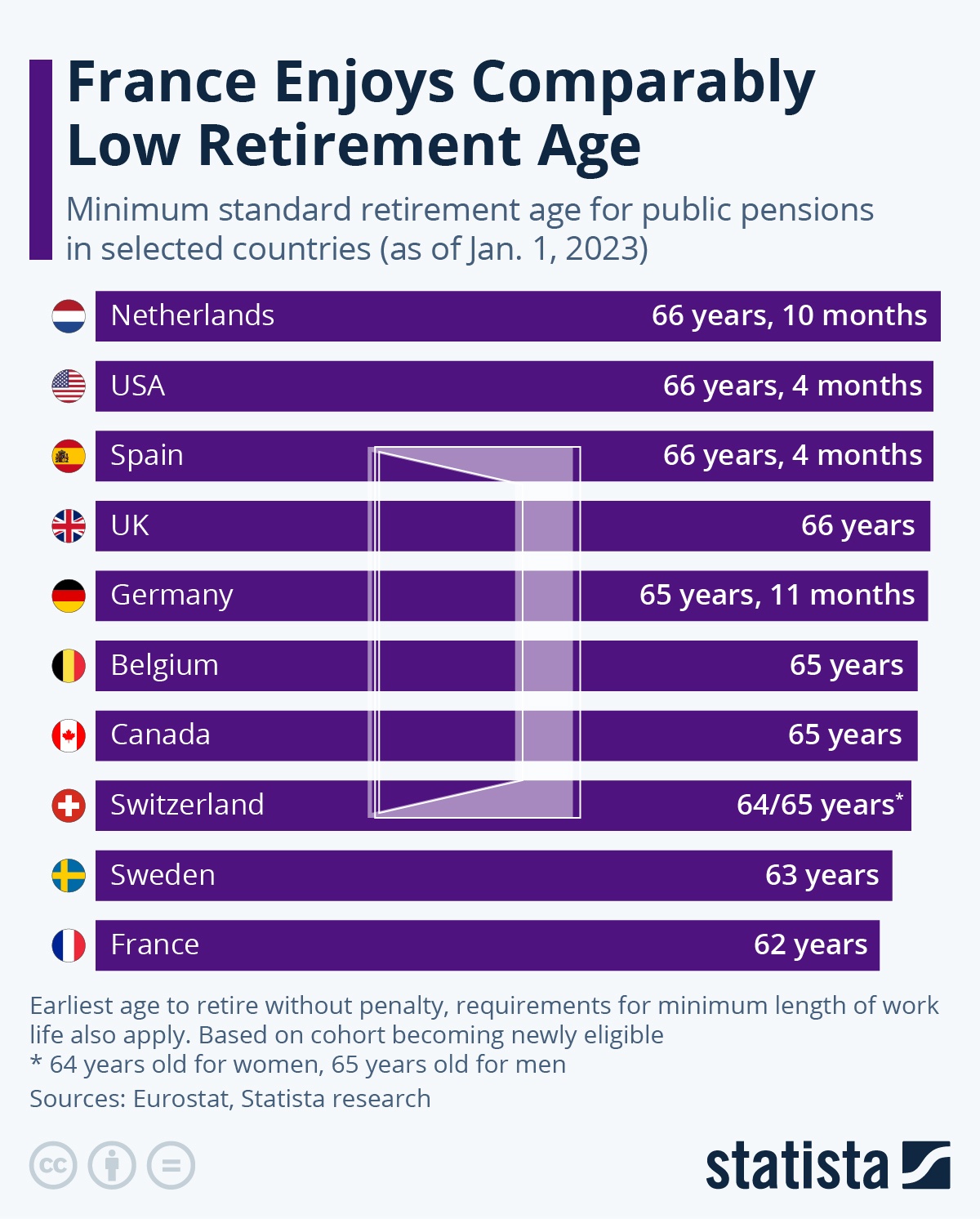
As of 2023, the state pension age in the UK stands at 66 for both men and women, following a gradual increase implemented over the past several years. This transition is part of a broader strategy to ensure the sustainability of the pension system amidst growing life expectancies. It is important to note that plans are in place to further raise the state pension age to 67 by 2028 and potentially to 68 later in the 2030s.
Factors Influencing Retirement Age Changes
Several key factors contribute to the discussions regarding retirement age. Firstly, the demographic shift towards an ageing population means that a greater proportion of people are living longer. According to the Office for National Statistics (ONS), life expectancy at birth in the UK has increased significantly over the last century, coinciding with previous reforms that raised retirement ages. Additionally, economic pressures, including the need for more contributions into pension funds and sustainability of state benefits, drive the policies surrounding retirement age.
Public Reaction and Implications
The proposed changes to the retirement age are met with mixed reactions. Many workers express concern that raising the retirement age could lead to financial insecurity, especially among those in physically demanding jobs who may struggle to work longer. Conversely, some argue that extending working life can contribute positively to the economy by maintaining a skilled workforce. Campaign groups and unions have been calling for more extensive reviews and considerations to ensure equitable solutions for all age groups.
Conclusion
In conclusion, the debate around retirement age is likely to continue as demographic trends evolve and the economic landscape shifts. The potential increase suggests a need for flexibility in job roles and training programmes that cater to older workers. Policymakers must weigh the benefits of raising the retirement age against the social ramifications for the workforce. As the ramifications of these policies unfold, individuals must stay informed about their retirement options and prepare accordingly for a potentially extended working life.
You may also like