Introduction
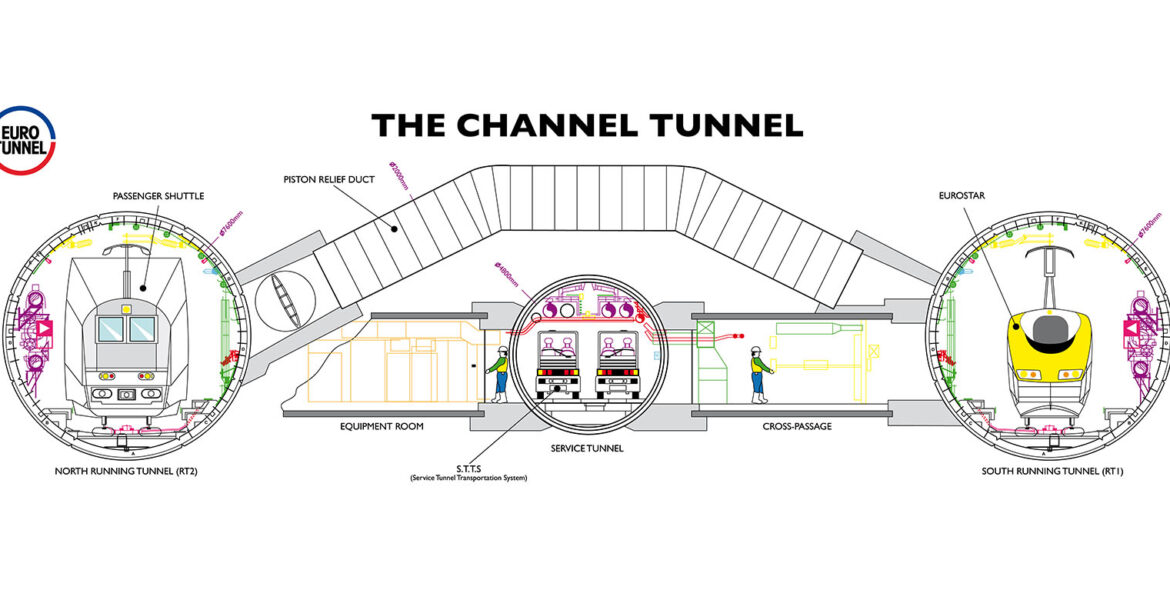
The Channel Tunnel, often referred to as the Chunnel, is a remarkable engineering feat that connects Folkestone, England, with Coquelles, France, beneath the English Channel. Opened in 1994, this 50.45-kilometre undersea rail tunnel has not only transformed travel between the UK and mainland Europe but has also significantly boosted trade and economic ties. As transport logistics evolve, the Channel Tunnel remains a critical artery for both passenger and freight traffic.
Recent Developments
Recent months have seen a resurgence in traffic through the Channel Tunnel, particularly as travel restrictions due to the COVID-19 pandemic have eased. Eurostar, the high-speed rail service running through the tunnel, reported a marked increase in passenger numbers for the summer of 2023, with predictions of continued growth as international tourism rebounds. Additionally, freight traffic has been robust, with companies relying on the tunnel for swift cross-Channel transport amid global supply chain challenges.
Economic Impact
The economic significance of the Channel Tunnel cannot be overstated. It is estimated that it contributes billions to the UK and French economies annually. By providing a fast link for goods and people, businesses can operate more efficiently, reducing costs associated with logistics. As the UK navigates new trade agreements post-Brexit, the importance of maintaining seamless connectivity with Europe through the Channel Tunnel remains a priority.
Challenges Ahead
Despite its successes, the Channel Tunnel faces several challenges. Ongoing maintenance and upgrades are essential to ensure safety and efficiency, particularly as the infrastructure ages. Additionally, political tensions, such as those associated with Brexit, have raised concerns about regulatory changes that could affect operations. The recent negotiations between the UK and France over immigration and customs checks have underscored the need for cooperative frameworks that facilitate smoother transit through the tunnel.
Conclusion
In conclusion, the Channel Tunnel is more than just a transportation link; it is a vital economic lifeline between the UK and Europe. As travel and trade continue to evolve in the aftermath of the pandemic and amidst fluctuating political landscapes, the ongoing relevance and functionality of the Channel Tunnel will be crucial for future growth and cooperation. Observers predict that with continued investment and collaboration, the tunnel will remain a key player in European connectivity for decades to come.
You may also like