Introduction
The changing of clocks, specifically the event known as ‘clocks go back’, marks the end of British Summer Time (BST) and the return to Greenwich Mean Time (GMT). This annual tradition, which occurs on the last Sunday in October, has implications for many aspects of daily life, including health, safety, and economic activities. Understanding the ramifications of this time change is essential for individuals and businesses alike as they adapt to darker evenings.
The Change: When Does It Happen?
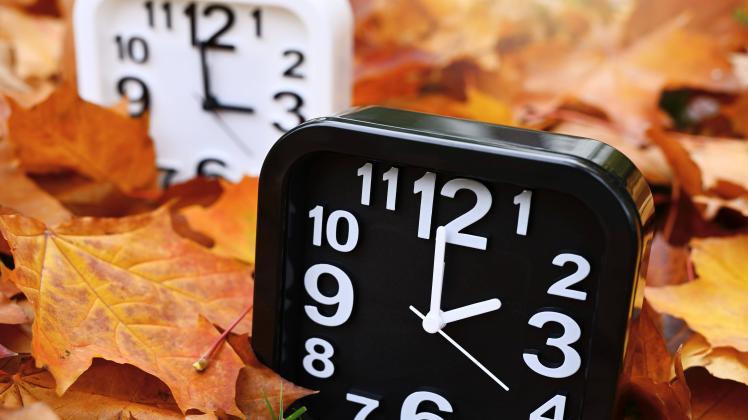
This year, clocks will go back one hour at 2:00 AM on Sunday, 29 October 2023. At this point, the time will revert to 1:00 AM GMT, resulting in an extra hour of sleep for many. This change is mandated by legislation but often leads to discussions about its necessity and effectiveness in today’s society.
Effects on Health and Lifestyle
The end of BST and the return to GMT can influence various aspects of health and well-being. Research indicates that transitioning back to standard time can lead to temporary disruptions in circadian rhythms, causing sleep disturbances and increased fatigue. It is crucial for individuals to prepare for this change by adjusting their sleep schedules gradually, promoting better rest during the transition.
Impact on Safety and Crime
From a safety perspective, longer evenings due to the early sunset can result in increased incidences of accidents and crime. Studies have shown a correlation between darker evenings and higher rates of pedestrian injuries and vehicle collisions. Law enforcement agencies often urge motorists and pedestrians to be vigilant as visibility decreases with the clock change.
Economic Implications
The changing of the clocks can also have economic implications. Retailers may see a shift in shopping behaviours, with consumers opting for evening purchases as darker evenings encourage indoor shopping. However, businesses that rely on daylight, such as construction and outdoor activities, may struggle to adjust as daylight hours shorten. Some have even called for the abolishment of the clock change altogether, arguing it could benefit the economy by providing more consistent hours of daylight throughout the year.
Conclusion
The event of clocks going back serves as a reminder of the changing seasons and their effects on our daily lives. As we prepare for the time change, it is important to consider its impacts on health, safety, and the economy. While many look forward to the extra hour of sleep, others will need to adapt quickly to the changes in light and its repercussions on daily activities. Discussion continues regarding the relevance of this tradition in an increasingly modern society, raising questions about the future of timekeeping in our lives.
You may also like