The Global Significance of Ebola Viruses
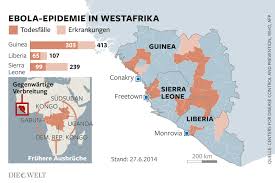
The Ebola virus disease (EVD) continues to be a significant concern for global health authorities due to its fatality rate and implications for public health. Although outbreaks have significantly decreased since the devastating epidemic in West Africa between 2014 and 2016, the World Health Organization (WHO) remains vigilant against new cases and potential outbreaks.
Recent Developments in Ebola Cases
As of October 2023, the Democratic Republic of the Congo (DRC) is currently experiencing an outbreak of the Ebola virus. Reports indicate that there have been at least 10 confirmed cases, with health professionals working tirelessly to contain the spread. Cases often emerge in regions where healthcare infrastructure is limited, and awareness regarding the virus is low. The DRC’s Ministry of Health, alongside WHO partners, is conducting extensive vaccination campaigns in affected areas to mitigate further infections.
In response to the resurgence of cases, health authorities are deploying the rVSV-ZEBOV vaccine, which has shown promise in preventing Ebola virus infection. This proactive approach aims not only to protect those directly exposed but also to establish a ring vaccination strategy to control the outbreak.
Challenges Faced During Outbreaks
One of the significant challenges during EVD outbreaks remains misinformation and social stigma surrounding the disease. Communities often react with fear and resistance against healthcare workers, which can hinder containment efforts. Education on the transmission of the virus and the importance of vaccinations is crucial in combating this stigma.
Additionally, international travel poses risks for further spreading the virus beyond localised outbreaks, prompting health officials to implement enhanced surveillance and screening at borders and airports.
Looking Forward: Vaccination and Preparedness
The recent rise in Ebola cases serves as a reminder of the importance of continuous surveillance, research, and investment in healthcare infrastructure, particularly in high-risk regions. Vaccination remains a cornerstone in preventing future outbreaks, with ongoing research aiming to improve vaccine efficacy and availability.
In conclusion, while the Ebola virus continues to be a serious global health concern, current containment efforts and vaccination strategies are vital in curbing its spread. Continued public awareness and international cooperation are essential to ensure the safety and health of communities at risk from this deadly virus.
You may also like