Introduction
The political environment in Moldova has gained significant attention in recent months due to ongoing reforms, geopolitical tensions, and the country’s aspirations for European integration. As Moldova continues to navigate its path amidst surrounding pressures and internal challenges, understanding its political climate is crucial for stakeholders and observers alike.
Recent Developments
In 2023, Moldova has seen considerable shifts in its political landscape. The pro-European government, led by President Maia Sandu, has been focused on tackling corruption and aligning more closely with the European Union (EU). Sandu’s party, the Action and Solidarity Party, came to power in 2021 with a strong mandate to implement reforms aimed at improving governance and enhancing economic stability. During a recent press briefing, she emphasized the commitment to controlling inflation and promoting foreign investment, crucial for the nation’s stability.
Challenges and Opportunities
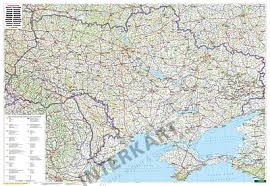
Despite these efforts, Moldova faces ongoing challenges. The country is grappling with the impacts of the war in Ukraine, which has had significant economic ramifications, impacting gas supplies and trade routes. As a landlocked nation sandwiched between Romania and Ukraine, Moldova has found itself at a geopolitical crossroads. Moreover, the influence of pro-Russian parties remains pervasive, creating political divisions that could threaten the stability of current reforms.
Additionally, issues such as emigration and brain drain have highlighted the need for social reforms. High levels of youth unemployment and limited job opportunities have led many Moldovans to seek better prospects abroad, posing a challenge to the country’s development.
Looking Ahead
The next few years will be critical for Moldova. The government has set ambitious goals to not only strengthen ties with the EU but also enhance local governance and economy. As the country prepares for potential candidacy for EU membership, it must demonstrate sustained reforms and political stability. Analysts suggest that successful navigation of its internal and external challenges will be vital for Moldova to fulfil its aspirations. For citizens and investors, understanding these dynamics is essential as they will significantly impact Moldova’s political and economic future.
Conclusion
Moldova’s political landscape is evolving rapidly amid various pressures and opportunities. The commitment to transforming the country into a European-aligned state appears strong; however, significant hurdles need to be addressed. The coming years signify a pivotal time for Moldova where the choices made today could either propel the nation toward stability and growth or lead it into further uncertainty. Observers will be watching closely as developments unfold in this dynamically changing region.
You may also like