Introduction
The issue of migrants in the United Kingdom has become increasingly significant, attracting widespread attention from policymakers, humanitarian organisations, and the public. With the ongoing conflicts, climate change, and economic disparities across the globe, Britain sees a consistent influx of individuals seeking refuge, better living conditions, and opportunities. This post examines the latest developments concerning migrants in the UK, shedding light on policies, public sentiment, and future implications.
Recent Developments
In recent months, the UK government has launched several initiatives aimed at managing migration effectively. The new Nationality and Borders Bill aims to streamline the asylum process while enhancing penalties for those entering the UK unlawfully. Critics, however, argue that such measures may infringe upon the rights of vulnerable asylum seekers who are fleeing persecution.
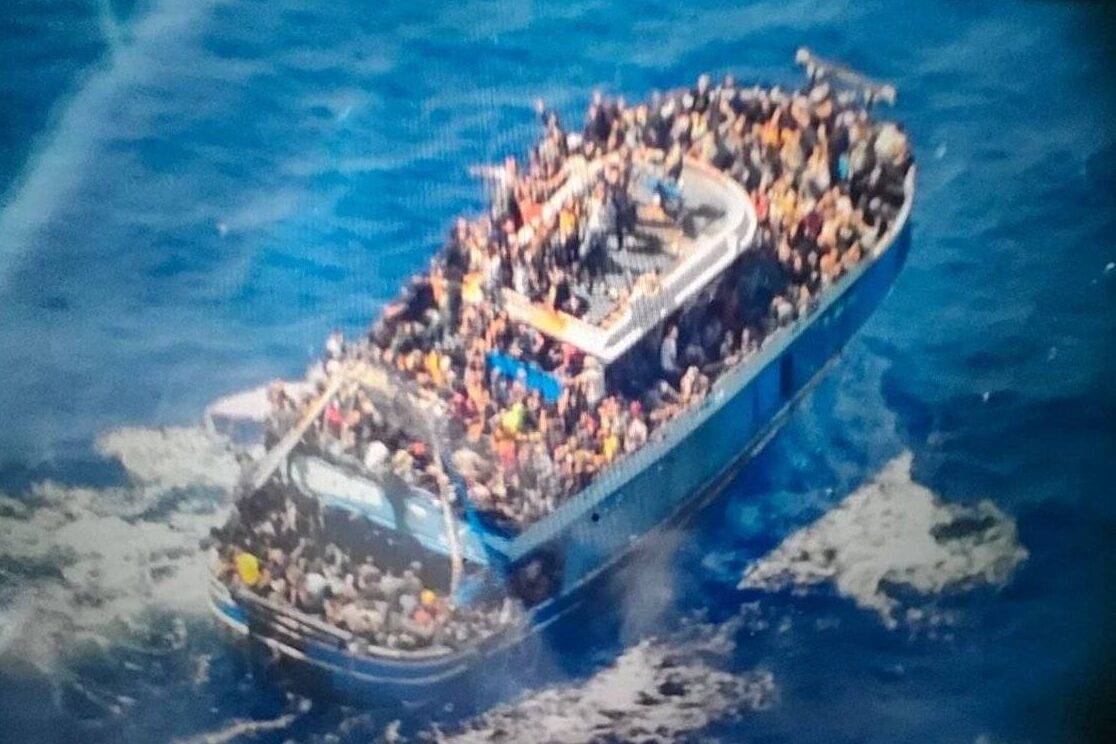
A report released by the Home Office in July 2023 highlights the challenges faced by migrants, outlining that nearly 40,000 people crossed the English Channel in small boats in the first half of the year, an increase compared to previous years. These figures have intensified the discourse around border security and asylum policies.
Public Sentiment and Humanitarian Efforts
Public sentiment towards migrants in the UK is divided. While some communities express solidarity and support for their integration, others voice frustration over resource allocation and perceived strain on public services. Several NGOs and local charity groups have stepped up to provide crucial support services, offering legal aid, food, and shelter to assist newcomers in navigating their new lives.
The Refugee Council has reiterated the necessity for a compassionate and fair approach towards asylum seekers, emphasizing the importance of creating a welcoming environment. They contend that migrants contribute significantly to the UK’s economy, culture, and workforce.
Conclusion
As the situation for migrants in the UK continues to evolve, so does the public discourse surrounding their rights and the policies governing their treatment. Looking ahead, it is essential for policymakers to balance security concerns with humanitarian obligations while considering the voices and rights of those seeking refuge. The developments in the coming months could set a precedent for how the UK addresses migration in an increasingly interconnected world. Understanding these dynamics is crucial for readers who wish to engage with this pressing global issue.
You may also like