Introduction
The price of gold has long been a focal point for investors and analysts alike, serving as a critical indicator of economic health and stability. As a tangible asset, gold is frequently considered a ‘safe haven’ during times of economic uncertainty. In today’s market, fluctuations in gold prices are driven by a variety of factors, making it crucial for investors and the general public to stay informed.
Current Gold Price Trends
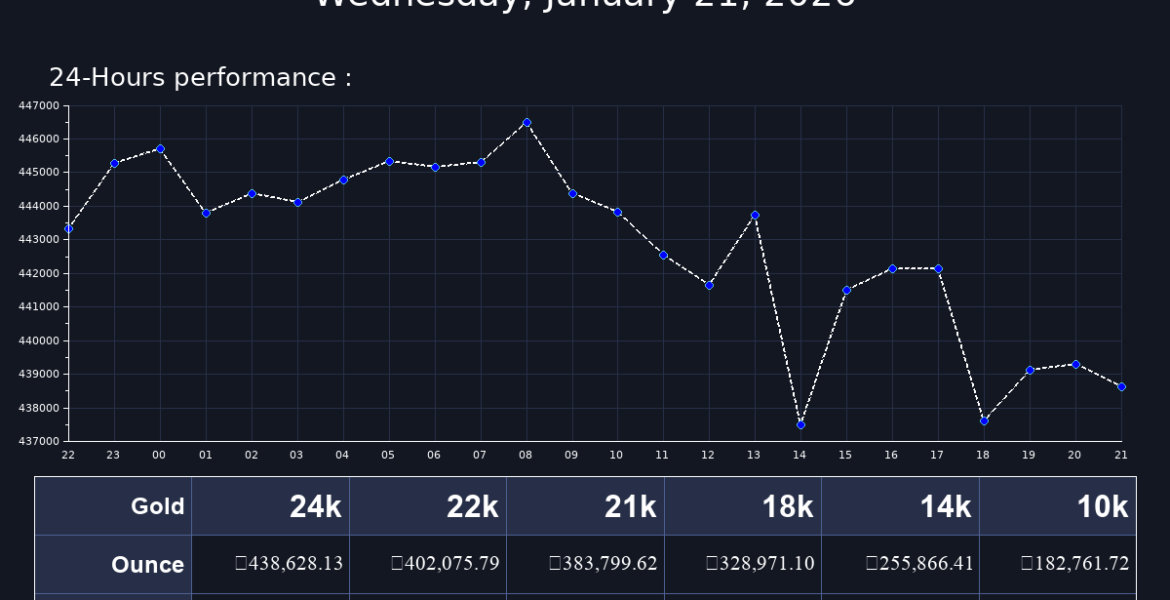
As of October 2023, gold prices have experienced notable volatility. Following a peak in mid-2023, the price of gold has been adjusting due to a combination of global economic conditions and shifts in investor sentiment. Recent data shows that the price of gold is hovering around £1,800 per ounce, slightly down from its peak of £1,950 earlier this year. Analysts attribute this decline to tighter monetary policies implemented by central banks and fluctuating demand from major markets like India and China.
Gold prices are traditionally influenced by a range of economic indicators, including inflation rates, currency strength, and geopolitical tensions. Recent reports indicate a slight softening of inflationary pressures, which has led to reduced demand for gold as a hedge against rising prices. Additionally, the strength of the US dollar has historically inversely correlated with gold prices, adding another layer of complexity to the current market dynamics.
Factors Impacting Gold Price
Several key factors contribute to the current and future price of gold:
- Central Bank Policies: The US Federal Reserve’s decisions regarding interest rates are a primary driver of gold price fluctuations. An increase in interest rates can lead to a decrease in gold prices as investors may turn to interest-bearing assets.
- Geopolitical Tensions: Any escalation in global conflicts tends to drive investors towards safe-haven assets such as gold. Therefore, ongoing tensions in Eastern Europe and the Middle East could significantly impact future gold price trends.
- Market Demand: Demand from industries such as electronics and jewellery plays a crucial role in gold pricing. Countries like India, which account for a significant portion of global gold demand, are experiencing changes in customs duties and tariffs that may alter buying patterns.
Conclusion
As we move forward into the final quarter of 2023, the outlook for gold prices remains cautious yet optimistic. While recent trends suggest stabilization after a period of instability, the interplay of monetary policy, geopolitical factors, and market demand will continue to define future movements. Investors should monitor these variables closely, as changes may offer profitable opportunities or pose risks in the ever-changing landscape of gold pricing. Understanding these dynamics is essential not only for investors but also for anyone interested in the broader economic implications tied to precious metals.
You may also like