Introduction
The UK unemployment rate is a crucial indicator of the nation’s economic health, reflecting the number of people actively seeking work but unable to find employment. As the country recovers from the impacts of the COVID-19 pandemic and navigates various economic challenges, understanding fluctuations in unemployment is essential for policymakers, businesses, and the public alike.
Current Unemployment Statistics
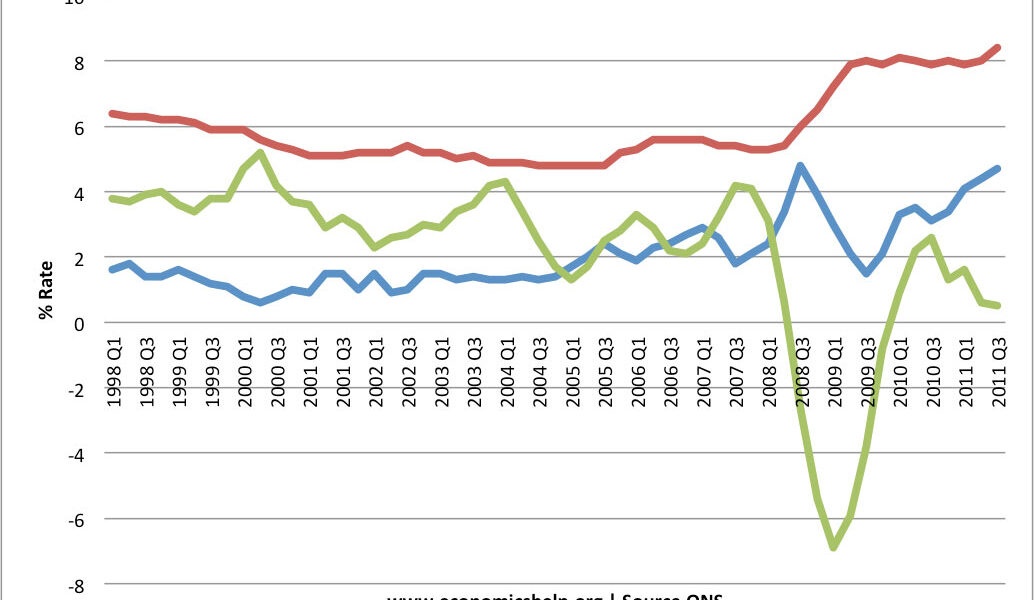
As of August 2023, the UK unemployment rate stands at 4.3%, slightly higher than the 4.0% recorded in early 2023. According to the Office for National Statistics (ONS), this increase is attributed mainly to a rise in the number of people stepping back into the job market following lockdowns, paired with ongoing recruitment challenges faced by employers.
Factors Influencing Unemployment
Several key factors impact the current unemployment rate in the UK. The cost of living crisis has significantly affected consumer spending, which in turn influences business operations and hiring practices. Additionally, certain sectors, such as hospitality and retail, are witnessing higher turnover and recruitment difficulties due to changing worker preferences post-pandemic.
Furthermore, the demand for skilled workers in IT, healthcare, and engineering remains robust, creating a dichotomy where certain areas experience labour shortages while others face redundancies. The recent economic policies, including changes in tax and investment, are also playing a role in shaping employment levels across various industries.
Implications for the Future
Looking ahead, the trends in the unemployment rate are indicators of broader economic conditions in the UK. Analysts suggest that if inflation continues to rise, it may lead to further job cuts as businesses strive to manage costs. Conversely, if the economy stabilises and growth returns, there may be an uptick in employment opportunities.
Conclusion
The UK unemployment rate is more than just a statistic; it reflects the challenges and transformation within the labour market. For individuals and organisations, understanding these trends is crucial for making informed decisions. As the UK continues to adapt in a post-pandemic world, monitoring employment changes will remain key to fostering a resilient economy.
You may also like