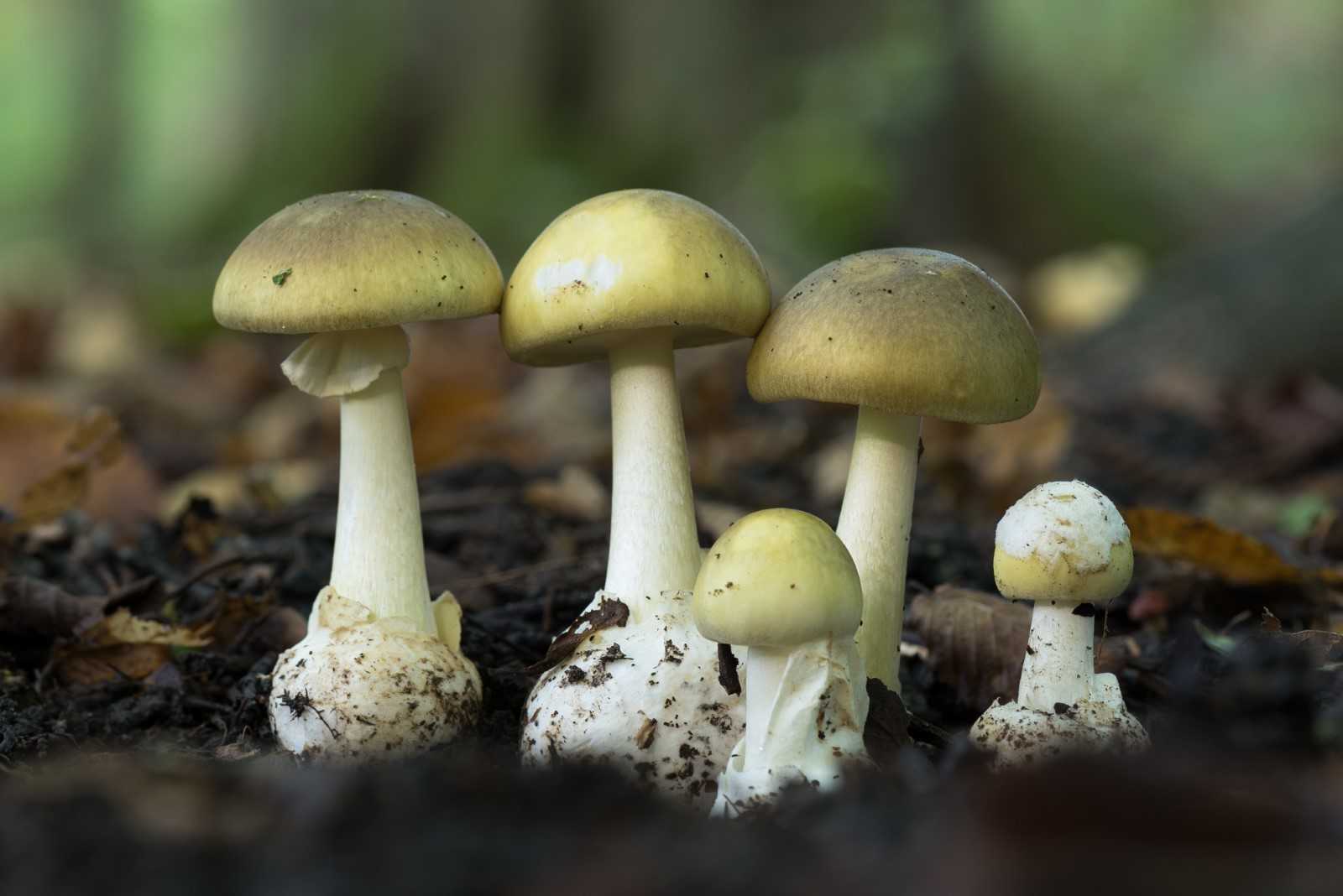
The Deadly Risk of Death Cap Mushrooms
The death cap mushroom (Amanita phalloides) stands as one of the most poisonous fungi globally, responsible for the majority of mushroom poisoning deaths. Despite its lethal nature, it often goes unnoticed due to its resemblance to various edible mushrooms. This article delves into the significance of awareness surrounding this deadly fungus, particularly amid growing interest in foraging in the UK.
What is the Death Cap Mushroom?
The death cap is a highly toxic mushroom native to Europe, Asia, and parts of North America. Characterised by its green to yellow-green cap, it can easily be mistaken for edible species like the common mushroom or the edible straw mushroom. According to a report from the UK Mycological Society, increased foraging during the COVID-19 pandemic has brought considerable attention to mushrooms, yet it has simultaneously raised concerns regarding accidental poisonings.
Recent Incidents and Statistics
UK poison control centres have reported a troubling rise in cases involving death cap mushrooms in the last few years. The UK National Health Service (NHS) noted that, as of late 2023, there have been 27 recorded hospitalisations due to accidental ingestion of death caps this year alone. The toxicity of these mushrooms primarily arises from two potent toxins, alpha-amanitin and phalloidin, which can cause severe liver and kidney failure, often leading to death if not treated immediately.
Symptoms of Poisoning
Symptoms of death cap mushroom poisoning can take 6 to 12 hours to manifest, complicating diagnosis and treatment. Initial symptoms may include abdominal pain, vomiting, and diarrhoea, which can lead to a false sense of recovery. However, after the initial phase, patients may experience severe organ damage, requiring urgent medical attention.
Preventative Measures
To mitigate the risks associated with foraging, experts advise against consuming wild mushrooms unless positively identified by a seasoned expert. Initiatives like local mushroom identification workshops have gained popularity in various communities, aiming to educate the public about safe foraging practices and the dangers of poison mushrooms.
Conclusion
As the interest in foraging grows, so does the necessity for education regarding the risks that certain mushrooms pose. The death cap mushroom serves as a stark reminder of the hidden dangers in nature and underlines the importance of knowledge and caution in foraging activities. Proper awareness can save lives and prevent unnecessary tragedies associated with this deadly fungus.
You may also like