Introduction
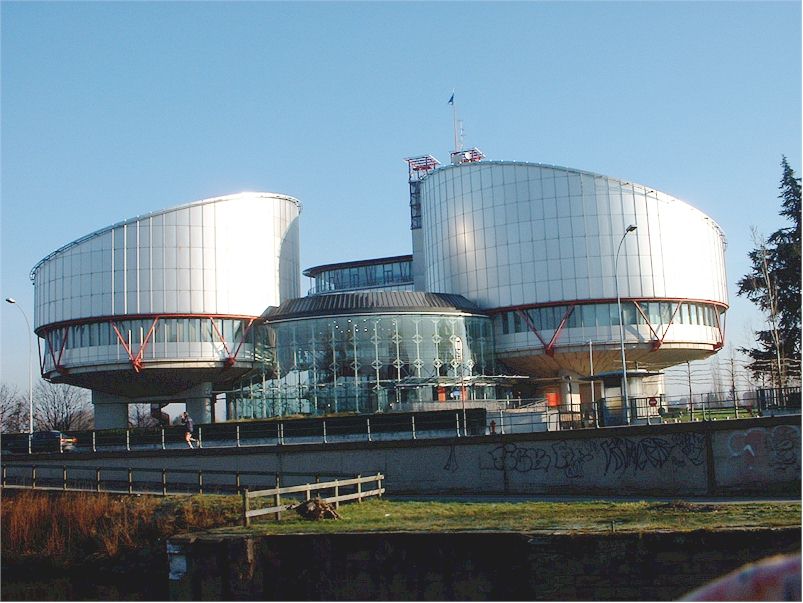
The European Court of Human Rights (ECHR) plays a vital role in safeguarding human rights across Europe. Established in 1959, the court ensures that the rights and freedoms set out in the European Convention on Human Rights (ECHR) are upheld by its member states. As human rights issues become increasingly prominent in contemporary discourse, understanding key rulings and developments from the ECHR is essential for citizens, policymakers, and activists alike.
Recent Significant Rulings
In 2023, the ECHR has made headlines with several landmark decisions that reflect its commitment to human rights protection. One noteworthy case involved a ruling on freedom of expression, determining whether restrictions imposed by national governments complied with Article 10 of the Convention. The court ruled against a member state that had penalised a journalist for critical reporting, reinforcing the notion that freedom of the press is fundamental to democracy.
Another significant case addressed the treatment of migrants and asylum seekers in Europe. The ECHR ruled in favour of an applicant who had been subjected to inhumane conditions in a detention centre, underscoring the obligation of member states to provide humane treatment in accordance with Article 3 of the Convention, which prohibits inhuman or degrading treatment.
The Impact of ECHR Decisions
The decisions made by the ECHR have wide-ranging implications. They not only influence national laws in member states but also shape public policy and the treatment of individuals. The court’s judgments often compel states to revise their regulations, ensuring compliance with European human rights standards. Furthermore, the ECHR often acts as a last resort for individuals seeking justice when domestic avenues are exhausted.
Challenges Facing the ECHR
Despite its critical role, the ECHR faces numerous challenges. An increase in case load has raised concerns regarding the court’s capacity to respond effectively and the speed at which cases are adjudicated. Additionally, the relationship between the ECHR and national governments can sometimes be contentious, with certain states resisting oversight and adherence to its rulings, leading to tensions within the Council of Europe.
Conclusion
The European Court of Human Rights remains a cornerstone of human rights protection in Europe. Its recent rulings highlight ongoing struggles with freedom of expression and the treatment of vulnerable populations. As discussions around human rights evolve, the ECHR will undoubtedly continue to play a pivotal role in the pursuit of justice and accountability. Moving forward, enhanced cooperation between the ECHR and member states will be necessary to tackle emerging challenges and reinforce the commitment to human rights across Europe.
You may also like