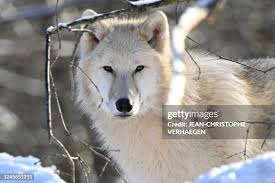
Introduction: The Significance of Wolves
Wolves are not just majestic creatures; they play a critical role in maintaining the health of ecosystems. As apex predators, they help regulate animal populations, ultimately contributing to biodiversity and ecological stability. With growing concerns about wildlife conservation, understanding the importance of wolves becomes increasingly relevant.
Wolves and Ecosystem Dynamics
Research shows that wolves help control the populations of species such as deer and elk. By preying on these herbivores, wolves prevent overgrazing and promote healthier vegetation, which, in turn, benefits other wildlife species. A notable example of this phenomenon occurred in Yellowstone National Park after the reintroduction of wolves in 1995. The presence of wolves resulted in significant ecological improvements, including the resurgence of willow and aspen trees, which provided habitat for various bird species and other animals.
The Human-Wolf Conflict
Despite their ecological importance, wolves often face persecution from humans due to concerns about livestock predation and personal safety. Farmers and ranchers frequently advocate for wolf culling, believing it protects their livestock. However, this perspective overlooks wolves’ broader ecological roles and can lead to destabilisation of local ecosystems.
Conservation Efforts
To address the declining wolf populations in various regions, numerous conservation initiatives have been launched, focusing on habitat preservation, legal protections, and community education. Environmental organisations are working alongside local stakeholders to develop coexistence strategies, ensuring that wolf populations can thrive while addressing human interests.
Conclusion: The Future of Wolves
The future of wolves hinges on our willingness to embrace a more nuanced understanding of their role in nature. As apex predators, they are crucial to maintaining the balance within ecosystems. By recognising their significance, we can ensure their protection and promote healthier environments for all species. As awareness grows, public support for conservation initiatives may lead to innovative solutions that benefit both humans and wildlife. Ultimately, the fate of wolves reflects our commitment to conserving biodiversity and protecting the natural world.
You may also like