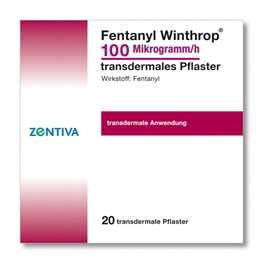
Introduction to the Fentanyl Crisis
The increasing prevalence of fentanyl, a synthetic opioid, has become a significant public health concern in the UK and around the world. With its potency being 50 to 100 times stronger than morphine, fentanyl poses extreme risks of overdose and death, particularly amidst the ongoing opioid epidemic. Understanding its implications is crucial for public safety, healthcare policy, and community health initiatives.
Current State of Fentanyl Use
Recent data indicates a troubling rise in fentanyl-related overdoses across the UK. According to the Office for National Statistics, drug-related deaths in England and Wales saw an increase of 3.8% in 2022 compared to the previous year, with a noted rise in cases involving synthetic opioids like fentanyl. The National Crime Agency has also reported an uptick in fentanyl being smuggled into the UK, often disguised within other drugs, making it difficult for users to assess the risk associated with consumption.
Public Health Response
In response to the growing crisis, public health officials are advocating for improved awareness and education about the dangers of fentanyl. Several initiatives are being launched, such as the distribution of fentanyl testing strips to help users identify the presence of this deadly substance within other drugs. Additionally, local governments are encouraging access to mental health resources and addiction treatment services to support those struggling with opioid dependence.
The Role of Community and Education
Community involvement plays a crucial role in combating the fentanyl crisis. Educational programs aimed at raising awareness regarding the risks of opioids, especially synthetic ones like fentanyl, are being implemented in schools and community centres. Experts suggest that these initiatives could significantly reduce the number of fentanyl-related overdoses by educating users about safe practices and the risks associated with drug use.
Conclusion and Future Outlook
The fentanyl crisis represents a public health challenge that cannot be ignored. As authorities work to reduce the impact of this synthetic opioid, it is essential for communities to engage in dialogue, education, and support. The ongoing efforts to enhance law enforcement, healthcare policies, and community education will be vital in addressing this epidemic. In the coming years, continued growth in the awareness of this issue can hopefully lead to a decline in fentanyl-related incidents and a path toward healing for affected individuals and families.
You may also like