Introduction
The Forest Hill Fire has recently emerged as a significant environmental concern, affecting both local wildlife and the community. With the increasing frequency of wildfires globally, understanding the causes and effects of such incidents is crucial for both prevention and preparedness. The Forest Hill Fire serves as a timely reminder of the ongoing challenges in managing natural resources and addressing the implications of climate change.
Details of the Fire
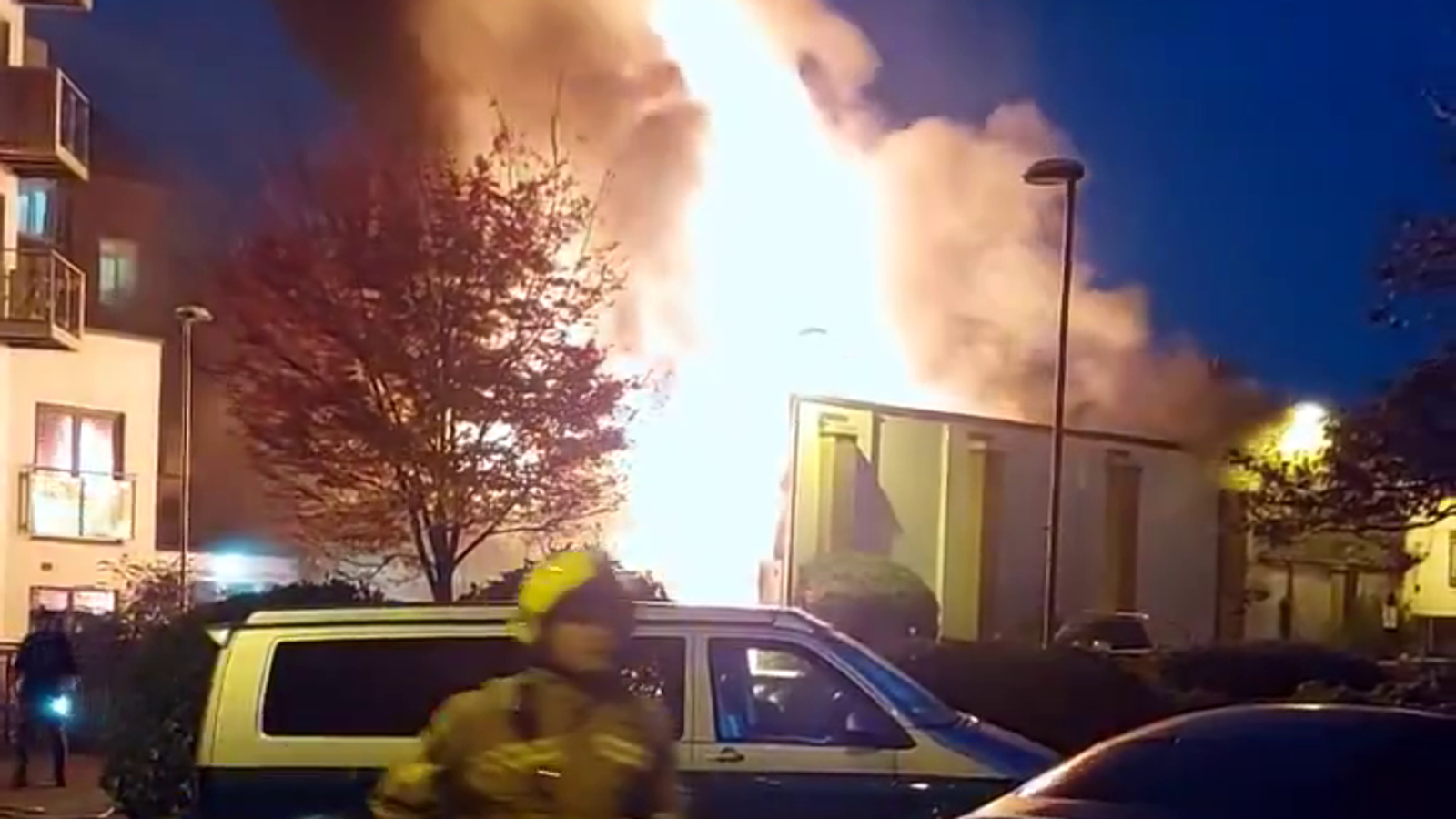
As of mid-October 2023, the Forest Hill Fire has been declared a major incident by local authorities following its rapid escalation due to dry weather conditions and high winds. The fire, which ignited on October 12, 2023, has so far burned over 1,500 acres of land, threatening residential areas and critical wildlife habitats.
Firefighters from various regions have come together, deploying over 200 personnel, alongside aircraft to help control the blaze. As the situation continues to develop, authorities have issued evacuation orders for around 1,000 residents in the immediate vicinity, prioritising public safety while actively seeking to contain the flames.
Community Response and Implications
The local community has rallied to support one another, with many residents volunteering to assist those impacted by the fire. Community centres are being used as shelters for evacuees, providing food and essential services to displaced families. Fundraising initiatives have also emerged to support those who have lost their homes or livestock.
Experts warn that the continued effects of climate change could mean the frequency and intensity of such wildfires will only increase, necessitating a reconsideration of land management practices. Authorities are working on long-term strategies aimed at reducing drought effects and maintaining healthier ecosystems to mitigate future fire risks.
Conclusion
The Forest Hill Fire highlights the urgent need for collective action in dealing with environmental threats exacerbated by climate change. As the situation unfolds, ongoing support for both evacuees and firefighting efforts remains critical. Looking ahead, it is imperative for policymakers, environmentalists, and communities to collaborate in developing proactive measures to safeguard both the natural environment and the inhabitants of areas vulnerable to wildfires. Continuous learning from such events will be essential for shaping a more resilient future.
You may also like