Introduction
The H1B visa programme holds significant importance in the US immigration landscape, providing avenues for skilled foreign workers to fill critical roles in various industries. As industries across the country face increasing skill shortages, this visa has become a vital solution for employers seeking talent. Its relevance is more pronounced now than ever, with several recent changes and proposed legislation that aim to refine the hiring process and address public concerns regarding job competition and wages.
Overview of the H1B Visa
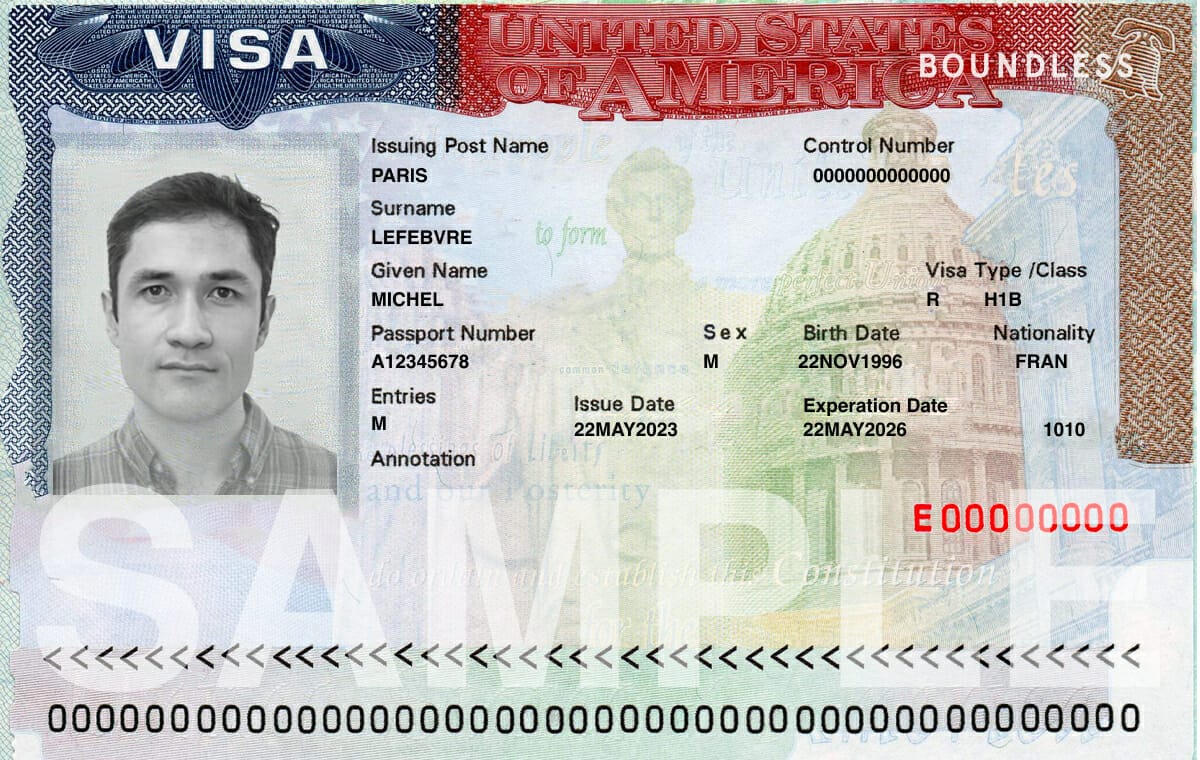
Introduced in 1990, the H1B visa allows US employers to temporarily employ foreign workers in specialty occupations that require theoretical or technical expertise in specific fields such as IT, engineering, and medicine. Each fiscal year, the US government caps the number of H1B visas issued, currently set at 85,000, which includes 20,000 reserved for workers with advanced degrees from US institutions.
Recent Developments
Recent reports indicate that the demand for H1B visas remains robust, with this year’s lottery seeing over 300,000 applications, a signal of the ongoing reliance on foreign talent to meet domestic demand. In 2023, the Biden administration proposed further enhancements to the H1B process, aiming to simplify paperwork and expedite the approval timeline for employers in urgent need of skilled workers.
Moreover, new regulations are being introduced to ensure that employers pay competitive wages to their H1B workers. This is intended to alleviate concerns from the domestic workforce about job competition. There is also a focus on preventing wage infringement and exploitation of foreign workers.
Conclusion
As discussions surrounding the H1B visa continue, it remains crucial for potential applicants and employers to stay informed about legislative changes and applications trends. The ongoing debate over immigration reform and job market impact highlights the need for a balanced approach that meets labour needs while protecting domestic interests. While the future of the H1B visa programme may hold uncertainties, its function as a conduit for skilled professionals in the US job market is unlikely to diminish in the foreseeable future. Observing these changes will provide insights into how talent flows across borders and the implications this has for the American economy.
You may also like