Introduction
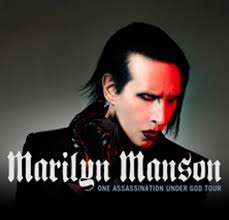
Marilyn Manson, the controversial figure in the world of music and performance art, has been a household name since the 1990s. Known for his distinctive style and provocative persona, Manson has not only made a significant mark on the music industry but has also sparked numerous debates surrounding his art, ethics, and personal conduct. As society becomes increasingly aware of issues such as abuse and consent, examining his career and recent allegations is more relevant than ever.
Main Body
Career Highlights
Marilyn Manson, born Brian Hugh Warner, formed his band in 1989, quickly rising to fame with albums such as “Antichrist Superstar” and “Mechanical Animals.” His music, characterised by its blend of rock, metal, and industrial influences, has earned him a dedicated fanbase. Manson’s theatrical performances often challenge societal norms, making him a symbol of rebellion against mainstream culture. Through the years, he has also collaborated with various artists, expanding his reach throughout different musical genres.
Controversies and Legal Issues
The past few years have been tumultuous for Manson, as he has faced numerous allegations of abuse and misconduct from former partners and associates. Notably, actress Evan Rachel Wood has publicly accused him of emotional and physical abuse, prompting a wider discussion about accountability in the entertainment industry. As a result, Manson has experienced significant backlash, including being dropped by his record label and losing contractual partnerships. These allegations have transformed public perception of him, leading many to reconsider his influence on youth culture.
Recent Developments
In light of the ongoing legal battles and societal impact, Manson has remained relatively quiet regarding the allegations against him, although he has denied the claims. His recent music releases have garnered mixed reviews, with some fans supporting his artistic expression while others have distanced themselves amidst the controversies. Manson’s situation reflects a broader societal shift towards addressing and confronting abusive behaviour in the arts, pushing fans and artists alike to engage in critical conversations about consent and behaviour in the industry.
Conclusion
Marilyn Manson’s legacy is deeply intertwined with both his musical contributions and the controversies surrounding his personal life. As allegations of abuse continue to unfold and impact his career, the cultural implications of his work warrant significant scrutiny. This situation underscores the importance of accountability and the necessity for conversations surrounding consent, illustrating that even those who have made indelible marks on culture can be subjects of criticism. For readers, understanding Manson’s story offers insights into the complexities of celebrity, art, and the evolving landscape of cultural values.
You may also like