Introduction
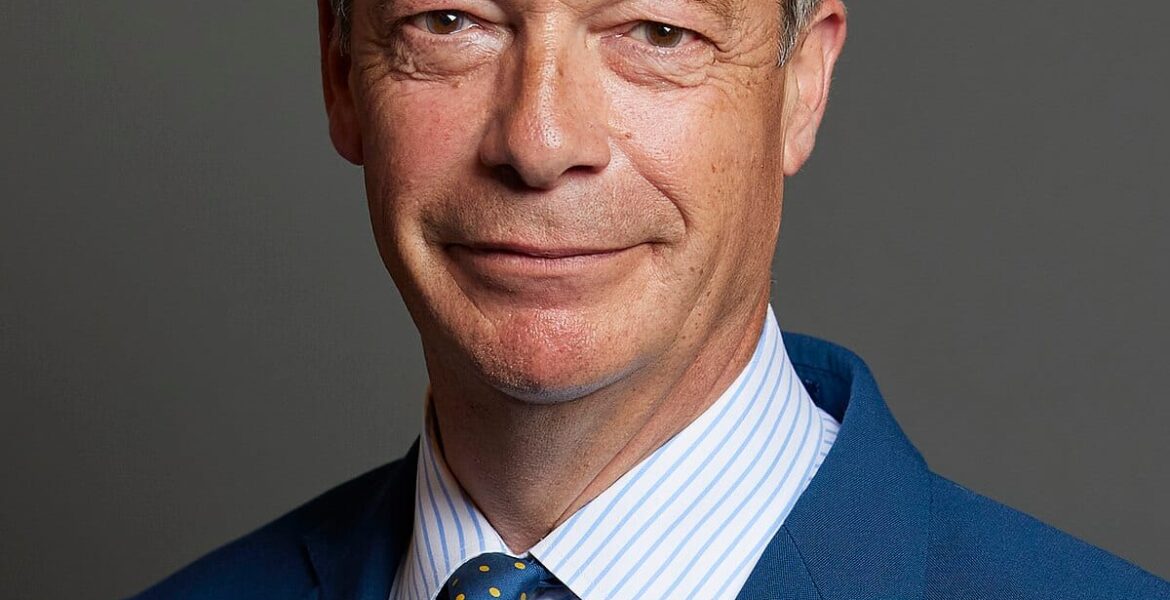
Nigel Farage, a prominent British politician and leader of the Brexit party, has been a significant figure in UK politics for over two decades. His fierce advocacy for Brexit and staunch Euroscepticism have played a crucial role in shaping contemporary political discourse in the UK. With the country having left the European Union (EU) in 2020, understanding Farage’s influence is more relevant than ever as Britain navigates its post-Brexit future.
Career Beginnings
Farage began his political career in the early 1990s, co-founding the UK Independence Party (UKIP) in 1993. Under his leadership, UKIP became the leading voice pushing for Britain’s withdrawal from the EU. Farage’s charismatic public speaking and controversial remarks drew significant media attention, establishing him as a key player in British politics. His work culminated in a historic victory for the Leave campaign during the 2016 EU referendum.
Brexit and Its Aftermath
Following the 2016 referendum, Farage transitioned from UKIP to leading the newly established Brexit Party in 2019. The party quickly gained traction, winning the largest share of the UK vote in the 2019 European Parliament elections. Farage’s commitment to ensuring a complete Brexit without any ties to the EU has positioned him as both a hero and a divisive figure among constituents, reflecting the split views on Brexit in the UK.
Recent Developments and Controversies
In recent months, Farage has continued to be active in the political arena, frequently appearing in the media to discuss the implications of ongoing political issues, including the economic repercussions of Brexit. His viewpoints often ignite passionate discussions, particularly regarding immigration policies and the UK’s relationship with Europe. Despite stepping back from formal party leadership, he remains a vocal influencer within the political landscape.
Conclusion
Nigel Farage’s political journey highlights the complexities and challenges of modern UK politics. As the UK continues to establish its identity post-Brexit, Farage’s influence—both celebrated and vilified—will likely linger in public discourse. Observers note that the future of the UK’s political landscape may still be shaped by Brexit tensions, with Farage’s role as a catalyser in this transformation proving to be significant. His ability to galvanise support and provoke substantial debate positions him as a crucial figure for both political allies and opponents alike in the years to come.
You may also like