Introduction
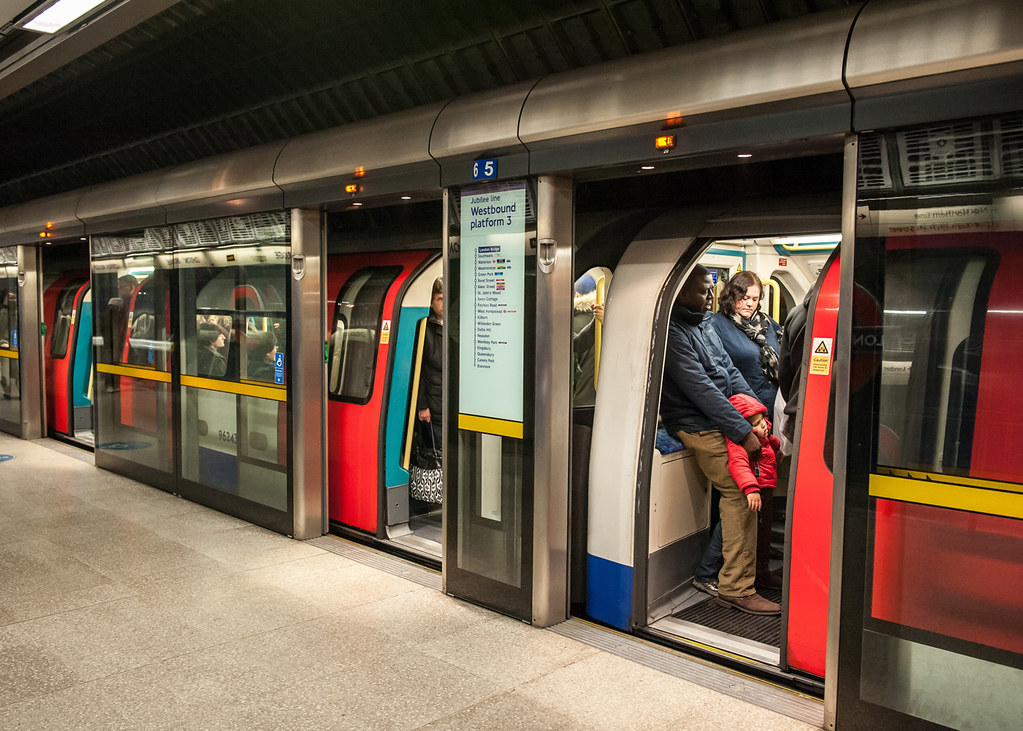
The Jubilee Line, one of the key lines in London’s Underground network, plays a vital role in the daily commutes of thousands of residents and visitors alike. Opened in 1979 and extended in 1999, the line connects major districts and landmarks, making it indispensable for London’s transport system. Its efficient operation not only facilitates easy access to work and leisure locations but also contributes to the broader goal of reducing traffic congestion in the capital.
Key Developments and Operations
The Jubilee Line runs from Stanmore in the north-west to Stratford in the east, covering 36 stations over a span of approximately 20 kilometres. Key areas served include Westminster, London Bridge, and Canary Wharf – each significant for their distinct economic and cultural contributions. The line’s reliability and reach have made it a preferred choice for commuting, especially in the fast-paced financial district of Canary Wharf, where a considerable amount of London’s workforce is based.
The most recent update regarding the Jubilee Line came in early October 2023, as Transport for London (TfL) announced an upgrade initiative focusing on increasing the capacity and efficiency of trains. This comes in light of recovering ridership levels post-pandemic which reached over 90% of pre-COVID figures. Improvements will involve new train sets and modern signalling technology, allowing for increased frequency of service.
Impact of the Jubilee Line
The Jubilee Line’s extensions and improvements directly impact London’s economy by facilitating better access to key business hubs and encouraging tourism. The station at Westminster provides quick access to major tourist attractions such as the Houses of Parliament and the London Eye. In the east, Stratford, which boasts the Westfield shopping centre and the Queen Elizabeth Olympic Park, is similarly enhanced by Jubilee Line accessibility.
Conclusion
Overall, the Jubilee Line is much more than just a transport route; it is a vital artery for the city of London, enhancing connectivity and supporting the economy. As TfL continues to invest in upgrades, it is anticipated that the line will attract even more riders in the coming years, reflecting London’s ongoing growth and resilience. For residents and visitors alike, the Jubilee Line will remain a cornerstone of urban mobility, shaping London’s transport landscape for years to come.
You may also like