Introduction: The Significance of the Intifada
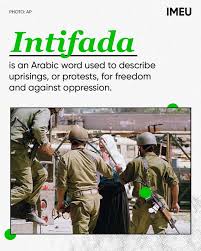
The term ‘Intifada’, translating to ‘uprising’ or ‘shaking off’, is deeply embedded in the history and ongoing struggles of the Palestinian people. It represents more than mere resistance; it encapsulates the quest for rights, autonomy, and recognition against perceived oppression. With escalating tensions in the Middle East, understanding the Intifada is vital for comprehending the region’s socio-political dynamics and the complexities involved in the Israeli-Palestinian conflict.
Main Body: Historical Background and Events
There have been two major Intifadas in recent history: the first began in December 1987 and lasted until the early 1990s, while the second erupted in September 2000 and continued into the mid-2000s. The First Intifada was catalyzed by a range of factors, including military occupation, expropriation of land, and lack of Palestinian representation. The uprising saw widespread protests, strikes, and civil disobedience and was impactful in raising international awareness about Palestinian suffering.
The Second Intifada, often referred to as Al-Aqsa Intifada, was marked by increased violence and militarisation. It was sparked by Ariel Sharon’s visit to the Al-Aqsa Mosque in Jerusalem, a site of profound religious significance. This period was characterised by clashes between protestors and the Israeli Defence Forces, leading to significant casualties on both sides. The aftermath shifted Palestinian strategies from peaceful protests to militant actions, altering the landscape of the conflict.
Current Affairs: The Intifada in Contemporary Context
As of 2023, while neither of the Intifadas is currently active, the underlying issues and frustrations that fuelled them persist. Recent escalations, including clashes in areas like East Jerusalem and Gaza, compounded by settlement expansions and military responses, have led observers to speculate about the potential for a third uprising. Given the region’s current geopolitical dynamics, including the role of external powers and changing civilian sentiment, the likelihood of renewed collective action among Palestinians remains high.
Conclusion: The Significance for Readers
In understanding the Intifada, readers gain insight into the broader narrative of resistance, national identity, and the fight for autonomy. The historical context allows for a nuanced appreciation of contemporary events in the region. As tensions persist, examining the legacies of past uprisings and their implications for future relations between Israelis and Palestinians is of critical importance. For those interested in global politics, acknowledging and understanding the complexities of the Intifada is essential for a comprehensive view of Middle Eastern realities.
You may also like