Introduction to the IRGC
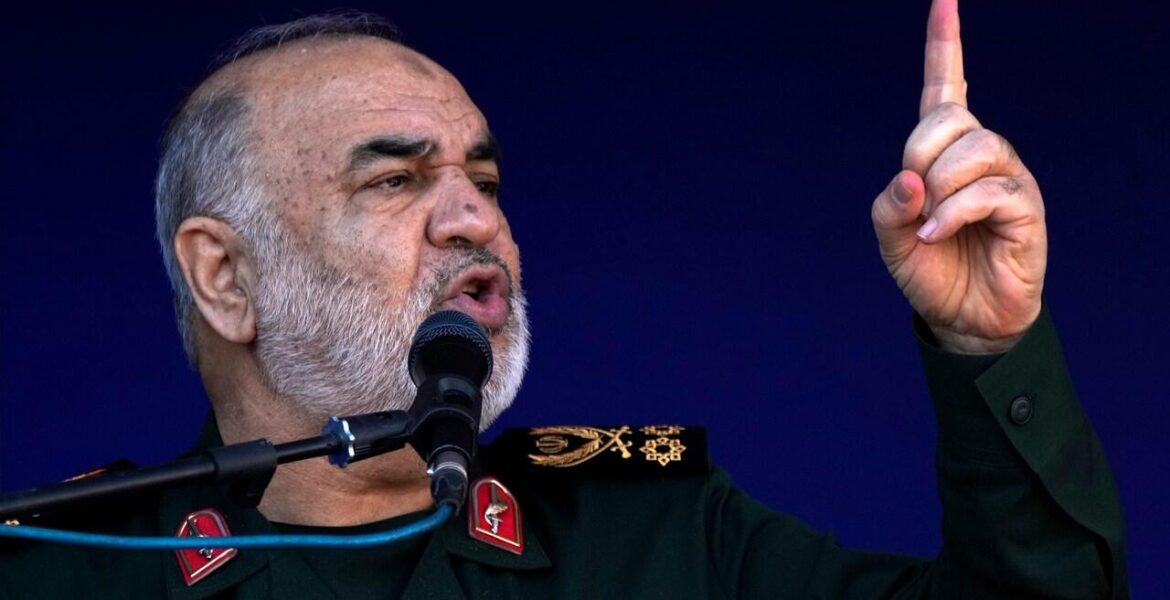
The Islamic Revolutionary Guard Corps (IRGC) plays a critical role in Iran’s military and political framework, impacting both domestic and global affairs. Created shortly after the 1979 Islamic Revolution, the IRGC was established to protect the regime and counter perceived threats from both internal and external adversaries. Over the years, it has evolved into a significant power within Iran, influencing various sectors including politics, economy, and military strategy.
Structure and Functions of the IRGC
The IRGC operates alongside the regular military, known as the Artesh. It consists of several units, including ground forces, navy, and aerospace forces, and is recognised for its extensive paramilitary forces, such as the Basij. The IRGC’s primary objectives include enforcing the Islamic Republic’s ideology, conducting intelligence operations, and engaging in active combat in conflicts across the region. Their involvement in regional conflicts, such as in Syria, Iraq, and Lebanon, accentuates their role as a pivotal player in Iran’s foreign policy.
Recent Developments
Recently, the IRGC has faced increasing scrutiny and pressure from both Western nations and neighbouring countries due to its involvement in regional conflicts and its designation as a terrorist organisation by the United States. Tensions rose dramatically following the assassination of Qassem Soleimani, a major general in the IRGC, by a US drone strike in January 2020. This event reignited discussions about the IRGC’s influence and role not just in Iran, but throughout the Middle East.
The IRGC’s Influence on Iran’s Politics
The IRGC has substantial political clout within Iran, with many high-ranking officials being former members. Their integration into political structures has ensured that Iran’s ideological and military goals are closely aligned, leading to policies that prioritise resistance against the West, particularly the United States and Israel. Although the Iranian public often expresses discontent regarding the economic situation, the IRGC remains a powerful entity resistant to calls for reform.
Conclusion
The IRGC is more than just a military entity; it is a fundamental institution that embodies the principles and challenges of the Iranian state. As tensions in the region continue and Iran navigates its international relations, the role of the IRGC remains pivotal. Understanding its influence is essential for comprehending Iran’s domestic politics and broader geopolitical dynamics. The future of the IRGC, particularly in light of potential negotiations over Iran’s nuclear programme and regional stability, will be critical for both Iran and its global relations.
You may also like