Introduction
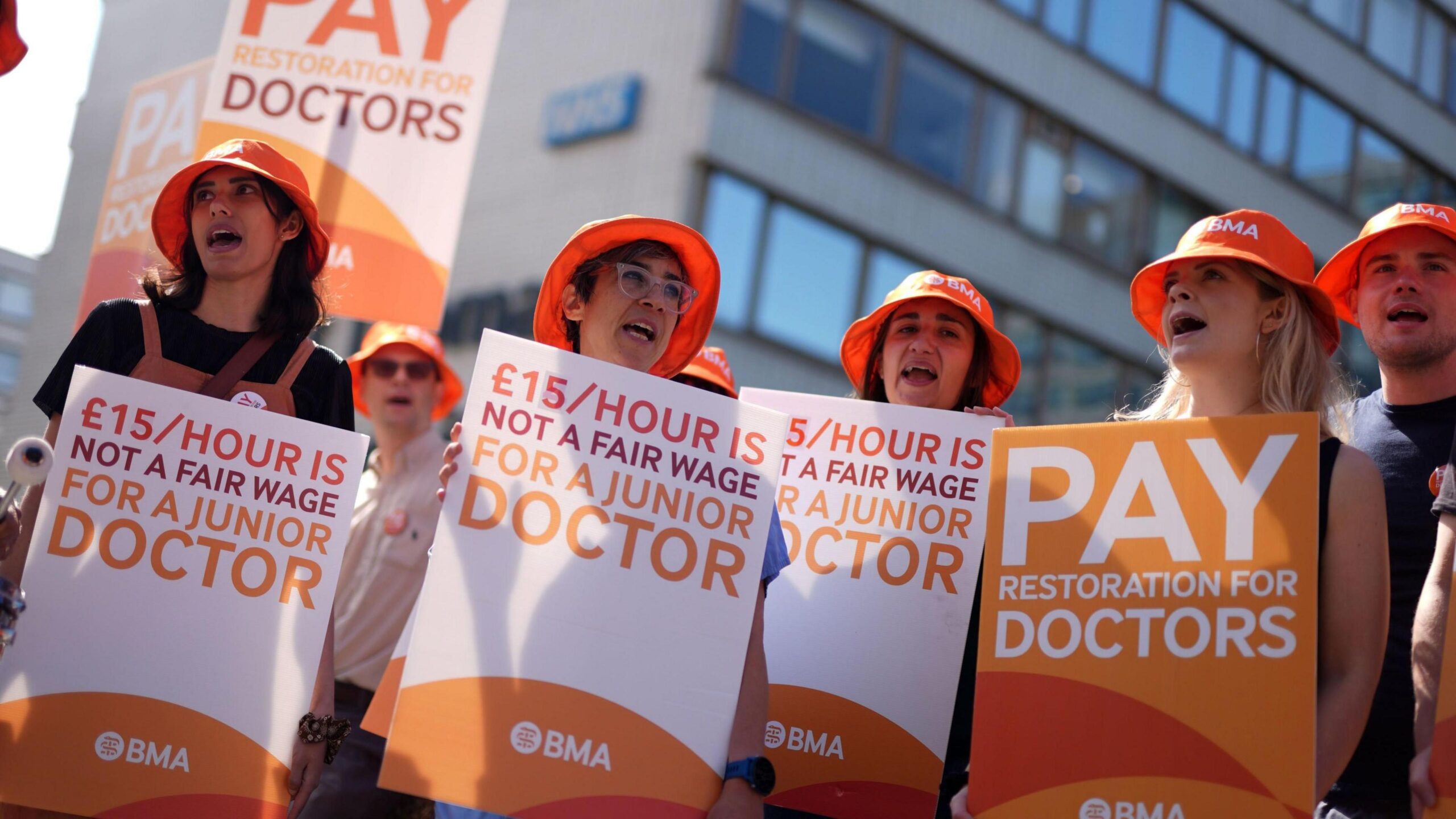
The recent junior doctors strike in the UK marks a pivotal moment in the ongoing struggle for better working conditions and fairer pay within the National Health Service (NHS). As one of the key components in the healthcare system, junior doctors, who make up the majority of the NHS workforce, have been vocal about their grievances, highlighting not only their own challenges but also issues that affect patient care. This strike is being watched closely, as it represents broader implications for the future of healthcare in the UK.
Background and Reasons for the Strike
In 2023, junior doctors in England initiated a series of strikes in response to prolonged pay disputes and increased workloads exacerbated by the pandemic. The British Medical Association (BMA) has reported that real-terms pay for junior doctors has decreased significantly over the past decade. The strikes, which began in early 2023, were motivated by demands for a 35% pay increase to address inflation and rising living costs.
Junior doctors have expressed concerns about their mental and physical well-being, increasingly feeling stretched due to staffing shortages and extended hours. In the light of these stressors, many believe that the current situation undermines both their wellbeing and the quality of care patients receive.
Impact on Patients and Healthcare
The impact of the junior doctors strike has been felt across the NHS with thousands of appointments and surgeries postponed. Hospitals have been required to implement contingency plans to manage patient care as doctors walked out, leading to a backlog and increased pressure on the existing staff. Although the BMA asserts that the strike is necessary to secure better conditions for long-term health system sustainability, the immediate effects on patients have been significant.
Government Response and Future Directions
The government has described the strikes as deeply concerning, emphasising the need to maintain a high-quality health service. Talks have been ongoing, as both sides aim to reach a resolution that could prevent further strikes. Concerns regarding the recruitment and retention of healthcare professionals dominate the dialogue, as the government acknowledges the need for reforms but struggles to balance financial constraints with demands from medical staff.
Conclusion
The junior doctors strike has spotlighted critical issues within the NHS that resonate far beyond just salary disputes. As negotiations continue, the eventual outcomes may shape the future landscape of healthcare in the UK. It is crucial for policymakers to listen to the voices of these doctors, as their demands not only reflect their own needs but also signify the urgent requirement to enhance the entire healthcare system for the benefit of all patients. The ongoing situation underscores the importance of fair working conditions in maintaining a robust and effective healthcare service.
You may also like