Introduction
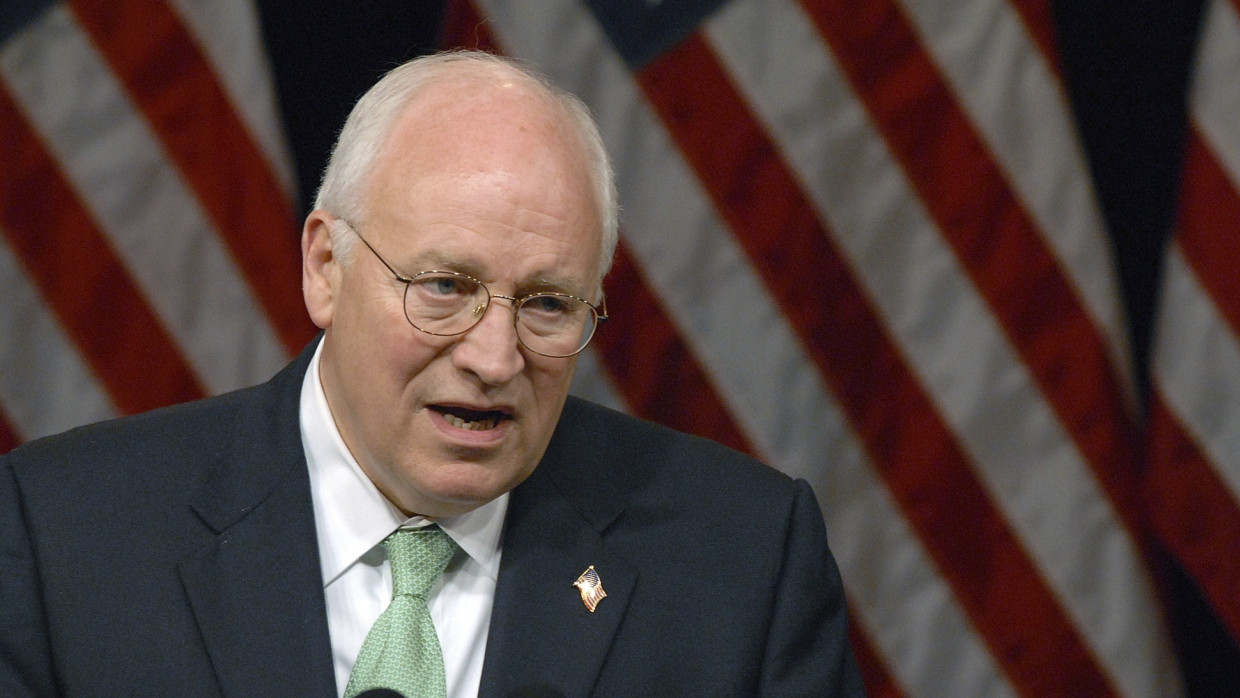
Dick Cheney, the 46th Vice President of the United States serving under President George W. Bush from 2001 to 2009, remains one of the most influential and contentious figures in American politics. His policies and decisions during a pivotal time in history continue to spark debate over national security, foreign policy, and government accountability. Understanding Cheney’s role offers insights into the political landscape of the early 21st century and its lasting implications.
Cheney’s Rise to Power
Born on January 30, 1941, in Lincoln, Nebraska, Cheney began his political journey at the University of Wyoming, where he earned a degree in political science. His career took off in the 1960s as he worked for various political figures, ultimately serving as a White House Assistant to President Gerald Ford and later as the congressman for Wyoming’s at-large congressional district from 1979 to 1989. Cheney also held significant roles in the private sector, notably as CEO of Halliburton, a position that would later fuel controversies regarding conflicts of interest.
Controversies and Policies
As Vice President, Cheney was known for his robust stance on national security and was a key architect of the United States’ response to the September 11 attacks. He was instrumental in advocating for military action in Iraq, citing weapons of mass destruction as a primary justification, despite intelligence later disputing these claims. His aggressive foreign policy decisions and promotion of enhanced interrogation techniques have led to widespread criticism and accusations of promoting torture.
Cheney’s advocacy for a strong executive branch has raised concerns about governmental overreach and accountability. His statements and actions during the Bush administration are often scrutinised for their implications on civil liberties and international relations.
Legacy and Public Reception
In the years following his vice presidency, Cheney has remained a divisive figure. Supporters admire his assertive leadership style and commitment to national security, while critics believe he epitomises the failures of the War on Terror and the erosion of civil rights. His 2017 memoir, Known and Unknown, sought to clarify his controversial decisions but inevitably rekindled debates about his legacy.
Conclusion
The political career of Dick Cheney is emblematic of the complexities of American governance during the early 2000s. His actions and decisions have had far-reaching effects that are still relevant today, influencing discussions on national security, foreign policy, and the balance of power within the US government. As political debates continue, understanding Cheney’s impact is essential for comprehending the ongoing evolution of American political dynamics.
You may also like