The Importance of Gandhi’s Philosophy
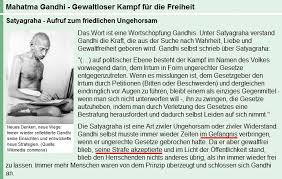
Mahatma Gandhi, known as the father of the Indian nation, is a figure whose teachings and approach to social justice profoundly shaped the 20th century. His philosophy of non-violence and civil disobedience inspired movements for civil rights and freedom across the globe, from Martin Luther King Jr. in the United States to Nelson Mandela in South Africa. As the world grapples with ongoing conflicts and social injustices, Gandhi’s message remains strikingly relevant.
Current Events Reflecting Gandhi’s Influence
Recently, protests against various forms of oppression continue to draw on Gandhi’s non-violent methodologies. For instance, the global Black Lives Matter movement, which calls for an end to systemic racism, echoes Gandhi’s beliefs in equality and justice through peaceful protest. Similarly, youth-led climate movements have adopted non-violent civil disobedience to demand urgent action against climate change, reflecting Gandhi’s idea of peaceful resistance.
In fact, the United Nations recognises October 2 as the International Day of Non-Violence, reflecting the global acknowledgment of Gandhi’s contributions. This year, events worldwide celebrated not only his birthday but also his ideals, encouraging dialogue on non-violence as a means to address contemporary issues.
Scholarly Studies and Recognitions
Academic institutions continue to explore Gandhi’s writings and their applications in the modern context. Recent studies have focused on his thoughts regarding economic inequality, which resonate with today’s discussions on wealth distribution and corporate ethics. Furthermore, awards recognising peace initiatives frequently bear his name, highlighting the sustained relevance of his vision.
Conclusion: The Enduring Relevance of Gandhi
Gandhi’s teachings offer invaluable lessons for present-day issues of inequality, injustice, and resistance. As the world looks towards sustainable and peaceful progress, his insights remain a guiding light in the pursuit of global peace and social change. Moving forward, it is essential to continually engage with these teachings, ensuring that Gandhi’s dream of a fairer world remains within reach for future generations.
You may also like