Introduction
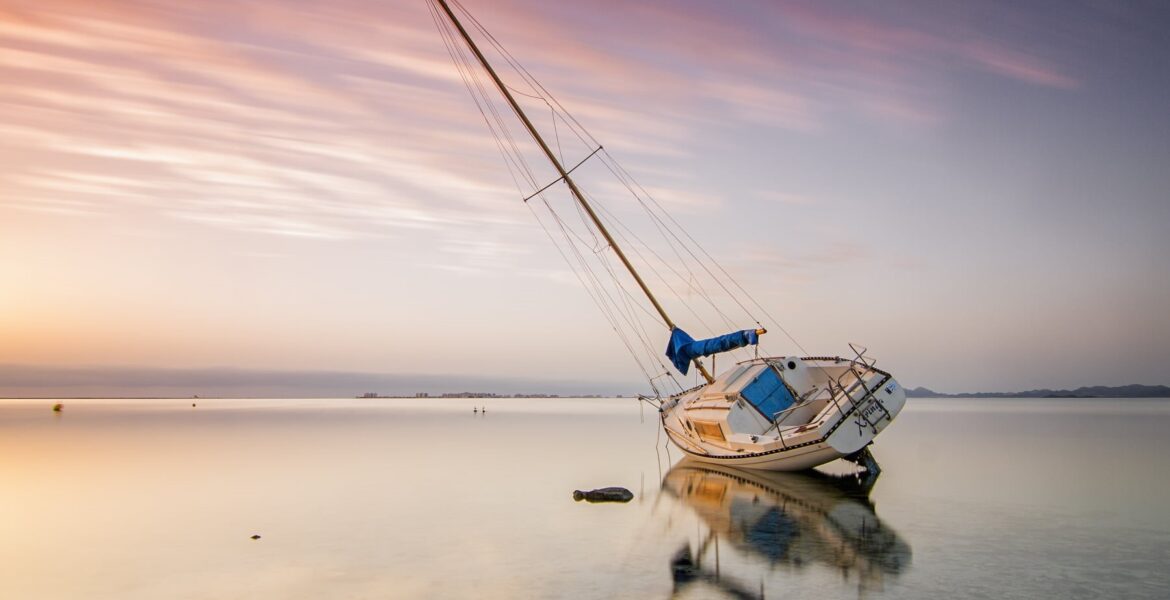
Mar Menor, a coastal lagoon located in the Region of Murcia, Spain, is a unique and vital ecosystem known for its shallow waters and rich biodiversity. Covering an area of approximately 135 square kilometres, it is one of the largest saline lagoons in Europe and serves as an important recreational area, attracting tourists and supporting local economies. However, recently, the Mar Menor has been facing significant environmental challenges that threaten its delicate balance and the livelihoods that depend on it.
Current Environmental Concerns
In recent years, Mar Menor has suffered from severe pollution and ecological degradation, primarily due to agricultural runoff, urban development, and climate change. High nutrient loads from fertilisers have led to massive algal blooms, adversely affecting water quality and local wildlife. Reports indicate that these algal blooms have resulted in oxygen depletion, pushing vulnerable marine species to the brink of extinction.
Moreover, the region has experienced alarming increases in water temperature and salinity levels, exacerbating the ecological crisis. In August 2023, environmental groups reported that record temperatures in the lagoon caused further loss of fish species, including the endemic Salminus maxillosus and symphyodonts that are crucial for maintaining ecological health.
Recent Efforts and Policy Changes
In response to these pressing issues, the Spanish government has recently implemented stricter regulations aimed at protecting the Mar Menor. Initiatives include the creation of a Marine Protected Area to address over-exploitation of resources and enhance ecosystems. Furthermore, the local government is working closely with agricultural stakeholders to reduce nutrient runoff through better management practices and the implementation of sustainable farming techniques.
Moreover, with an increase in public awareness regarding the environmental status of the Mar Menor, citizens have mobilised to advocate for environmental justice – demanding accountability from policymakers and suggesting innovative solutions to restore the lagoon’s health.
Conclusion
The future of Mar Menor is crucial, not only for local ecosystems but also for the ecological integrity of the Mediterranean region. Continued pollution and climate change pose serious threats, but recent efforts by government entities and local communities provide a glimmer of hope. Engaging in sustainable practices and advocating for environmental protection are vital if we are to safeguard this precious lagoon for future generations. As the situation evolves, it remains imperative for stakeholders at all levels to collaborate to ensure the Mar Menor’s resilience and ecological viability.
You may also like