Introduction
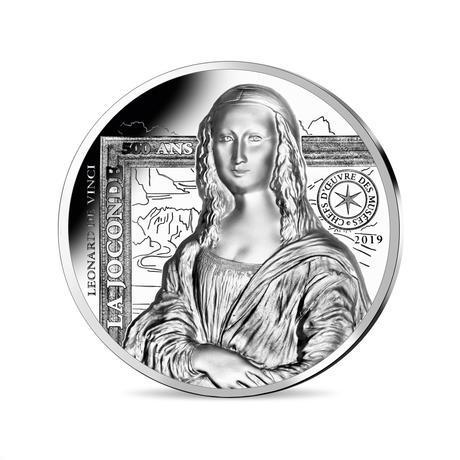
The Mona Lisa, painted by Leonardo da Vinci in the early 16th century, is arguably the most famous painting in the world. As a symbol of fine art, this iconic work draws millions of visitors each year to the Louvre Museum in Paris, making it not only a cultural landmark but also a vital topic in discussions on art preservation, tourism, and historical significance.
The Painting’s History
Created between 1503 and 1506, with some scholars suggesting that da Vinci continued to work on it until 1517, the Mona Lisa is believed to be a portrait of Lisa Gherardini, a merchant’s wife from Florence. Its fame surged due to various factors, including its mysterious subject and da Vinci’s pioneering techniques, which introduced unprecedented realism through the use of sfumato—a technique allowing for softer transitions between colours and tones.
Significant Events Surrounding the Mona Lisa
In 1911, the Mona Lisa was stolen from the Louvre by an Italian handyman named Vincenzo Peruggia, who believed that it should be returned to Italy. The theft drew massive media attention and significantly increased the painting’s fame. After two years, Peruggia was arrested, and the painting was returned to the Louvre, where it still resides today.
Modern Interpretations and Influence
The allure of the Mona Lisa continues in popular culture, as it has inspired countless parodies, adaptations, and discussions across various mediums, from films to fashion. Modern artists frequently reference the work, showcasing its lasting influence. Art historians also analyse the painting for its innovative traits and the emotional connection it invokes in viewers.
Conclusion
Today, the Mona Lisa represents more than just a painting; it is a cultural icon symbolizing the intersection of art and history. With debates surrounding its meaning and aesthetics, the painting continues to be an essential study for art lovers and historians alike. Its ongoing relevance highlights the necessity of preserving such masterpieces for future generations, ensuring that this emblem of human creativity endures through time.
You may also like