Introduction
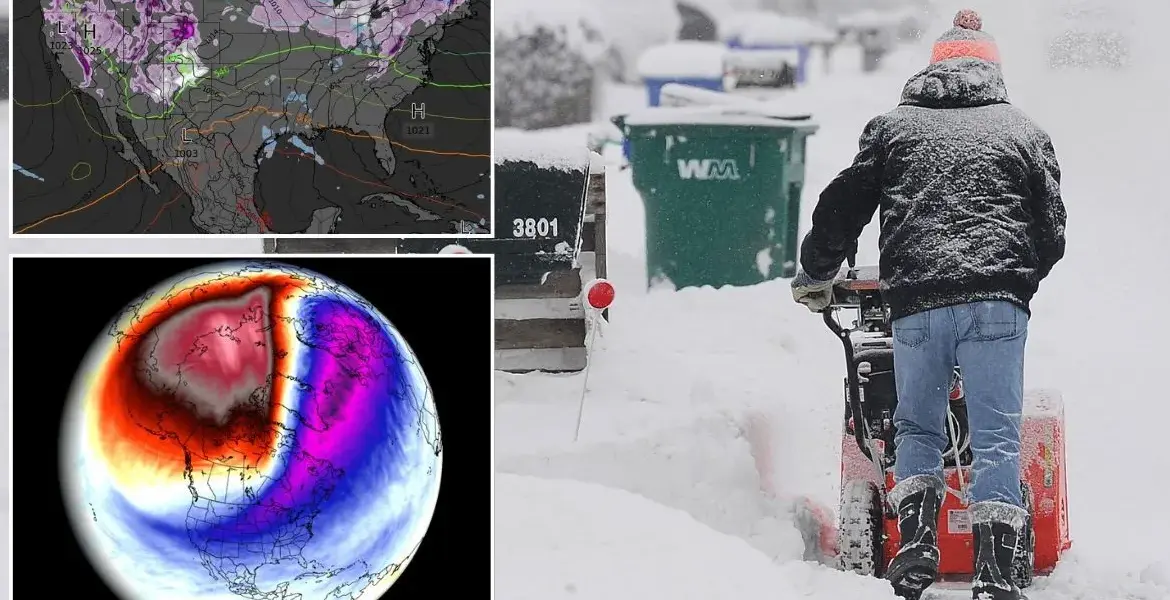
The polar vortex is a large area of low pressure and cold air surrounding the Earth’s poles. Its behaviour significantly influences winter weather patterns in the middle latitudes. A polar vortex collapse forecast is increasingly vital as it can indicate severe cold spells, snowy conditions, and unusual weather extremes across Europe and North America. The forecast of a polar vortex collapse has garnered attention due to its potential impact on various geographical areas, ranging from disruptions in weather patterns to effects on agriculture and energy demand.
What is a Polar Vortex
The polar vortex consists of strong counter-clockwise winds that encircle the Arctic region. It generally remains stable during the winter months, but a collapse occurs when the winds weaken, allowing cold Arctic air to spill southward. Meteorologists are keen to track the polar vortex, as its collapse could mean dramatic swings in weather, leading to prolonged cold snaps or even blizzards.
Forecasts for the Upcoming Winter
Recent meteorological forecasts from the National Oceanic and Atmospheric Administration (NOAA) indicate that the polar vortex might experience instability this winter, with a higher chance of collapse expected in January and February. According to the latest models, this instability is influenced by both sea surface temperatures in the North Atlantic and the gradual onset of La Niña conditions in the Pacific Ocean.
As the polar vortex weakens, regions in Canada and the northern United States may experience a surge of frigid air, pushing average temperatures significantly below normal. Historical data shows that when polar vortex collapse occurs, regions such as the Midwest and Northeast often see a higher frequency of severe cold and heavy snowfall.
Potential Implications
The implications of a polar vortex collapse extend beyond just frigid temperatures. Energy providers must prepare for increased heating demands, while farmers may need to devise strategies to safeguard crops from sudden cold waves. Furthermore, disruptions in travel and transportation can occur when heavy snow and icy conditions blanket large areas.
Conclusion
As we move deeper into the winter season, monitoring the polar vortex and its potential for collapse will be crucial for anticipating weather conditions. Staying informed through reliable forecasts can not only prepare individuals and communities but also mitigate the adverse effects of severe winter weather. With the polar vortex collapse forecasted, residents of affected regions should brace for a cold and potentially harsh winter ahead.
You may also like