Introduction
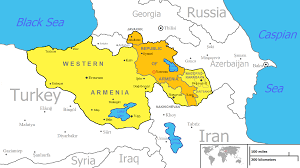
Armenia, a landlocked country situated in the South Caucasus region of Eurasia, has been in the spotlight recently due to its evolving political landscape, security concerns, and socio-economic developments. The importance of Armenia lies not only in its rich cultural heritage but also in its strategic position between Europe and Asia, which often places it at the crossroads of international relations.
Political Landscape
In recent months, Armenia has been navigating a complex political environment following the last year’s conflict over the Nagorno-Karabakh region with Azerbaijan. The ceasefire agreement brokered by Russia in November 2020 has left Armenia under continued pressure as it deals with the repercussions of loss and territorial disputes. Prime Minister Nikol Pashinyan has faced mounting criticism domestically, with many citizens questioning his leadership and calling for reforms to strengthen the country’s sovereignty and security.
Economic Developments
Despite the political turmoil, Armenia is making strides in its economic recovery. According to the National Statistical Committee, the country’s GDP growth rate was reported at 5.7% for the first quarter of 2023, indicating a positive trend in the aftermath of the conflict. Key sectors contributing to this growth include information technology, tourism, and agriculture. Efforts to attract foreign investment are ongoing, with initiatives aimed at improving infrastructure and business-friendly policies.
International Relations
Armenia’s foreign relationships are also evolving. In recent months, there have been noticeable attempts by Armenia to enhance ties with the European Union and establish stronger diplomatic channels with Western nations. This shift comes amid concerns over traditional alliances, primarily with Russia, which have been strained due to perceived inaction during the recent conflicts. Additionally, the U.S. has shown increased interest in Armenia as a partner in the region, committing to support a peaceful and stable South Caucasus.
Conclusion
The situation in Armenia is crucial not just for its citizens but also for regional stability in the South Caucasus and Central Asia. As Armenia continues to grapple with its domestic challenges while forging new international partnerships, the next few years will be pivotal in defining its future. Observers of the geopolitical landscape are keeping a close watch to see how Armenia navigates these complex dynamics and whether it can emerge as a confident player on the international stage.
You may also like