Introduction
Ford Motor Company, a longstanding pillar of the automotive industry, has recently faced significant scrutiny due to a series of vehicle recall issues. With safety at the forefront of consumer concerns, understanding these recalls is crucial for Ford owners and prospective buyers alike. As of late 2023, several recalls have been announced, raising questions about quality control and the company’s commitment to consumer safety.
Details of Recent Recalls
In 2023 alone, Ford has issued multiple recalls affecting thousands of vehicles across its range. The latest recall, announced in early October, involved over 100,000 vehicles, including popular models like the Ford Explorer and the Ford Escape. The primary concerns included faulty airbag systems that may not deploy correctly in the event of a collision, as well as issues with brake boosters that could lead to reduced braking effectiveness.
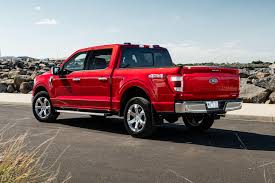
Earlier in the year, a recall involving Ford’s F-150 trucks highlighted problems with potential fuel leaks which could increase the risk of fire. These issues prompted the National Highway Traffic Safety Administration (NHTSA) to advise owners to stop using the vehicles until repairs were made. Ford’s transparency in communicating these recalls contrasts sharply with past automotive incidents where companies downplayed vehicle issues, but it also raises questions about existing quality assurance processes.
Company Response and Impact
In response to these recalls, Ford has promised swift action, including free inspections and repairs for affected vehicle owners. CEO Jim Farley has publicly stated that consumer safety is Ford’s top priority, and the company is taking extra measures to improve its manufacturing processes. Ford’s response indicates a broader commitment to restoring consumer trust and ensuring that the vehicles remain reliable. However, despite proactive communication, repeated recalls can damage a company’s reputation and impact sales.
Conclusion
Ford’s ongoing recall issues serve as a crucial reminder of the automotive industry’s regulatory environment and the importance of vehicle safety. These events not only affect current owners but also influence potential customers who may be reconsidering their purchasing decisions. Looking ahead, industry analysts forecast that Ford will need to enhance its quality control measures significantly to avoid future recalls and maintain consumer confidence. Ultimately, while recalls are an inevitable part of the automotive business, Ford’s handling of these issues could define its path forward in a highly competitive market.
You may also like