Introduction
The luxury watch market has experienced profound fluctuations over the past few years, with one of the most notable topics being the recent Rolex price crash. Rolex watches, considered a symbol of prestige and luxury, have seen a significant drop in resale values, raising concerns among collectors and investors alike. This article will delve into the reasons behind this price crash, its implications, and what the future might hold for the market.
Market Trends and Causes
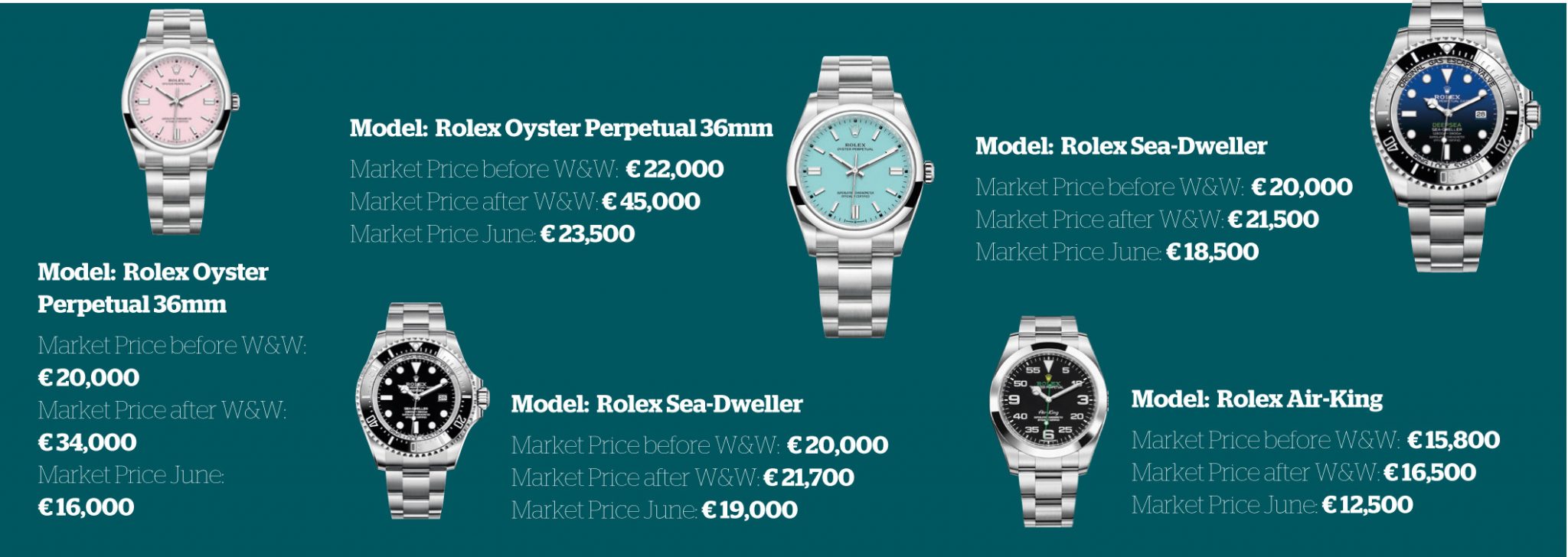
The primary reason for the recent decline in Rolex prices can be attributed to a combination of market saturation and changing consumer habits. In recent years, the demand for high-end luxury watches surged due to low interest rates, leading to a significant increase in prices. Collectors were willing to pay astronomical amounts for coveted models, with some transactions reaching nearly three times the retail price.
However, as the economy began to show signs of strain with rising inflation and interest rates, consumers have shifted their spending behaviours. Many potential buyers have become more cautious, resulting in decreased demand for luxury items. This shift has contributed to a saturation of the market, particularly for certain popular models that had previously enjoyed inflated prices.
Impact on Collectors and Investors
The price crash has had a considerable impact on collectors and investors who may have overpaid for their timepieces. For instance, some sought-after models, such as the Rolex Daytona and Submariner, have seen prices drop by as much as 30% in a matter of months. This decline in value has prompted many collectors to re-evaluate their portfolios and consider diversifying their investments.
Even luxury watch dealers, once accustomed to steadily increasing prices, have started to adjust their strategies. Many have reduced their inventory prices in hopes of staying competitive while still appealing to consumers looking for deals in the current market.
Conclusion
The Rolex price crash serves as a reminder of the volatile nature of the luxury watch market. While some collectors may be apprehensive about the future value of their investments, experts suggest that the market will eventually stabilise as economic conditions improve. For potential buyers, this could present an opportunity to acquire coveted timepieces at a fairer price. Ultimately, understanding market trends, remaining patient, and making informed decisions are essential for anyone involved in the luxury watch space. As we navigate through these changes, it’s clear that the Rolex brand will continue to hold its relevance, maintaining its status as an aspirational luxury item.
You may also like