Introduction
Oil prices, a crucial indicator of economic health globally, have seen significant fluctuations in recent months. As nations recover from the COVID-19 pandemic and geopolitical tensions reshape markets, these price changes have far-reaching implications for consumers, businesses, and governments alike. Understanding these trends is vital for stakeholders across various sectors, from transportation to manufacturing.
Current Trends in Oil Prices
As of October 2023, average global oil prices have witnessed a notable increase, with Brent crude trading at approximately $94 per barrel, a jump from around $80 at the beginning of the year. Factors contributing to this surge include recovering demand in post-pandemic economies, OPEC+ production cuts, and ongoing geopolitical tensions in oil-producing regions, particularly in the Middle East.
The International Energy Agency (IEA) has indicated that global oil demand is expected to reach 101.1 million barrels per day by the end of 2023, up by 2.2 million barrels per day compared to the previous year. This rise in demand is primarily driven by travel and transportation sectors as they rebound.
Geopolitical Influences
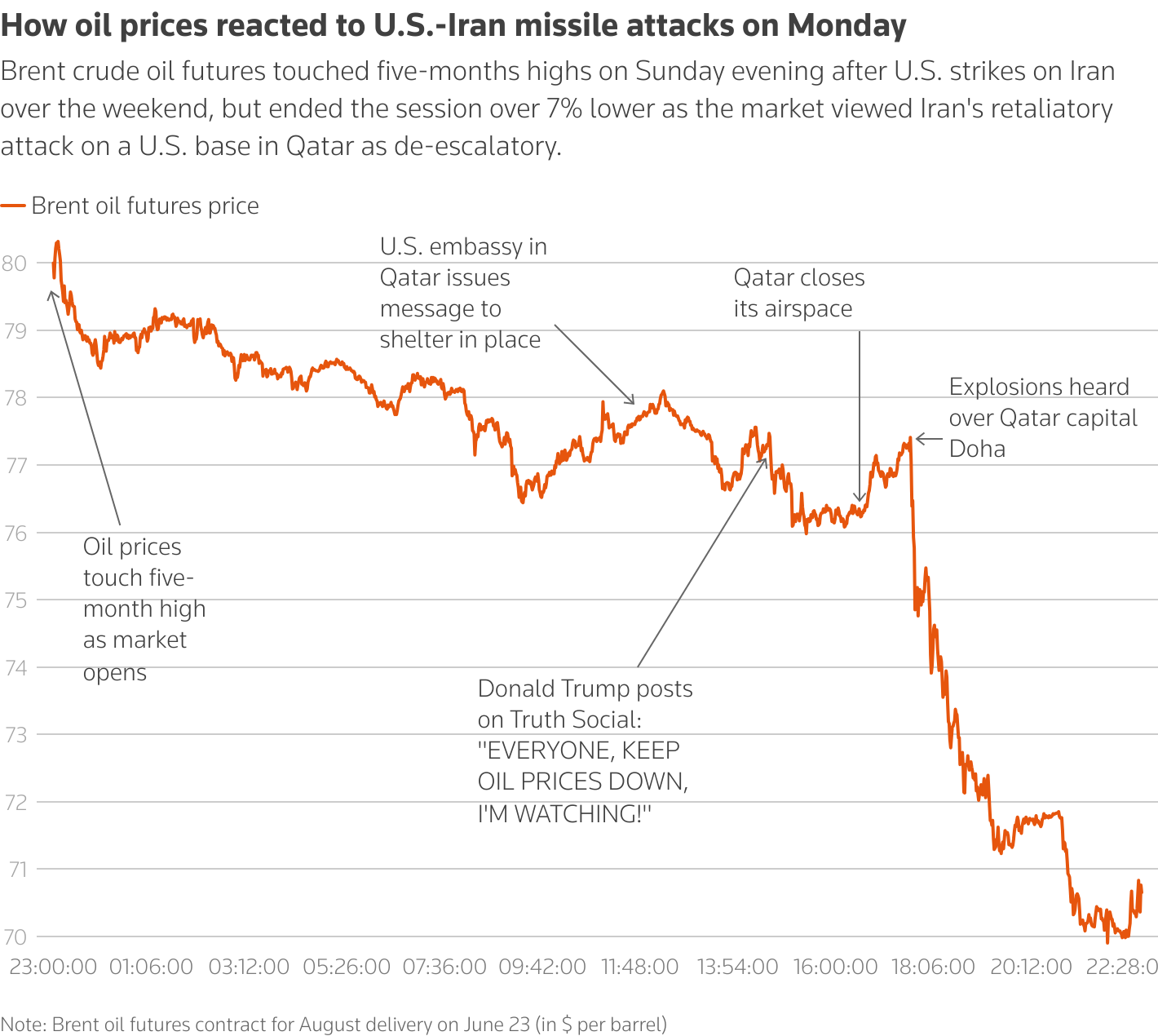
Geopolitical factors have also heavily influenced oil prices. Tensions between Russia and Ukraine continue to create instability that affects global supply chains. At the same time, sanctions imposed on Russian oil exports have further strained markets. Recent military actions in the Middle East have raised concerns about potential disruptions in oil supply routes, exacerbating price increases.
Additionally, the decisions made by OPEC+ regarding production levels significantly impact oil market dynamics. In recent months, the coalition has opted to maintain production cuts, which has supported high prices but also inspired debates on energy security worldwide.
Implications for Consumers and the Economy
The continuous rise in oil prices has started to affect consumer prices, particularly in transportation and goods, leading to inflationary pressures in several economies. Higher fuel and logistics costs translate to increased prices for everyday goods, impacting household budgets globally. Economists warn that prolonged high oil prices could lead to reduced consumer spending and slower economic growth.
Conclusion
In summary, the current trends in oil prices are shaped by a complex interplay of post-pandemic recovery, geopolitical instability, and strategic decisions made by producer nations. As oil remains a dominant energy source, its price impacts every facet of the economy, from consumer behaviour to manufacturing costs. Stakeholders should prepare for continued volatility as international dynamics evolve in the coming months. Monitoring these developments will be crucial for forecasting future economic conditions and making informed decisions.
You may also like