Introduction
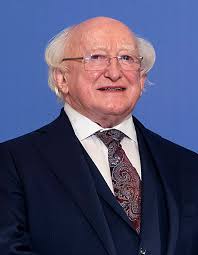
The role of the President of Ireland is a vital part of the nation’s political landscape, embodying both the ceremonial and constitutional authority within the state. As the guardian of the Irish Constitution and a representation of the Irish people, the president plays a crucial role in fostering national unity and promoting the values of democracy. The current president, Michael D. Higgins, has been in office since 2011, and his tenure has been marked by significant challenges and achievements that speak to the evolving nature of Ireland’s identity.
Current Events in the Presidency
In recent months, President Higgins has made headlines regarding Ireland’s response to global challenges, including climate change, social inequality, and international relations. During a recent speech, he reiterated the importance of Ireland taking a leadership role in combating climate change, advocating for sustainable policies that benefit future generations. His address at the annual Climate Action Summit in Dublin was received positively, emphasizing the need for urgent action and international cooperation.
Additionally, President Higgins has been involved in promoting peace and reconciliation initiatives, particularly concerning the ongoing challenges in Northern Ireland. His commitment to dialogue and understanding between communities remains a cornerstone of his presidency, proving his relevance in contemporary Irish politics.
Public Engagement and Significance
President Higgins is well-known for his approachable style and keen interest in the arts and culture of Ireland. He frequently engages with citizens through various public events and addresses concerning social issues. His advocacy for the arts has not only elevated cultural conversations but has also opened pathways for national debate on identity and heritage.
The President’s role is constitutionally limited, primarily serving as a figurehead, with actual governance being conducted by the Prime Minister and the elected government. Despite these limitations, the president affects public sentiment and often plays a significant role in shaping national policies through moral persuasion.
Conclusion
With the current evolving political landscape, the significance of the President of Ireland remains profoundly relevant. As Ireland navigates both local and international challenges, President Michael D. Higgins continues to symbolize Ireland’s rich cultural heritage and democratic ideals. Observers and citizens alike will be looking closely at how the presidency evolves in the coming years, particularly with forthcoming elections. As global issues and domestic concerns continue to arise, the leadership style and decisions of the President of Ireland will undoubtedly influence the nation’s trajectory.
You may also like