Introduction
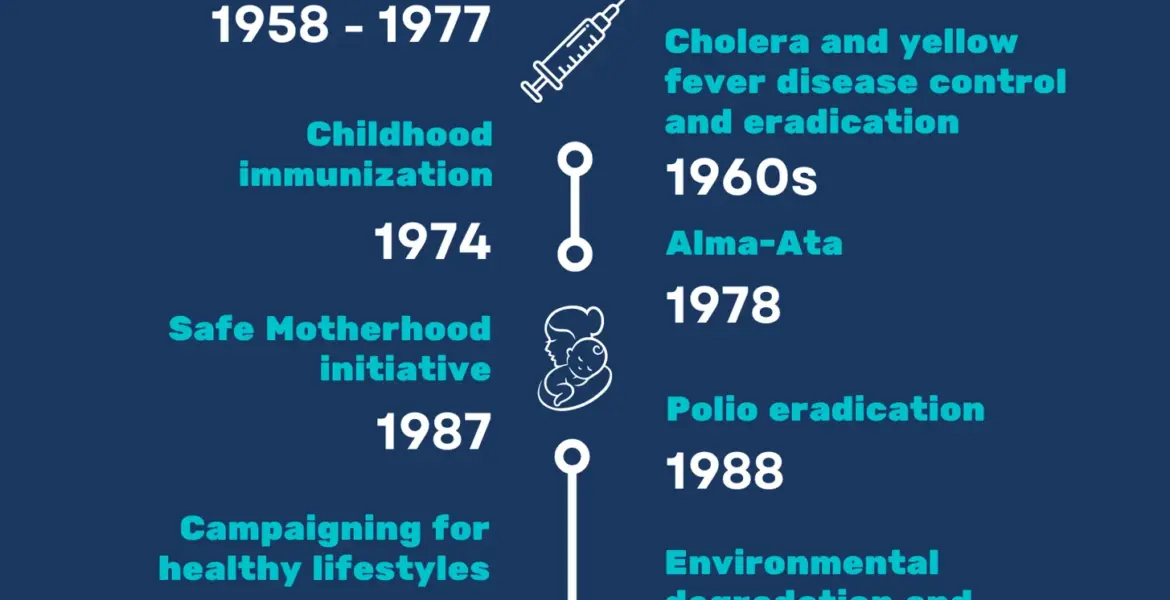
The World Health Organization (WHO) plays a vital role in coordinating international public health efforts. Established in 1948, the agency is responsible for monitoring health trends, setting health standards, and responding to health emergencies across the globe. With recent challenges such as the COVID-19 pandemic, the WHO’s relevance has been underscored, making its operations and decisions critical to global public health.
Recent Initiatives and Responses
In 2022, the WHO launched the Global Strategy for Health for All to outline a roadmap to ensure equitable access to healthcare services worldwide. This initiative emphasizes the importance of universal health coverage and aims to strengthen health systems, particularly in low- and middle-income countries. Additionally, the WHO has been pivotal in coordinating diseases’ surveillance and response strategies, such as those for diseases like monkeypox and Ebola.
During the ongoing COVID-19 pandemic, the WHO’s role has remained in the spotlight, advocating for vaccination, public health safety measures, and equitable access to vaccines. In 2023, they reported that over 13 billion COVID-19 vaccine doses were administered globally, yet significant disparities exist, particularly in under-resourced nations. The organization continues to focus on addressing these inequalities through initiatives like COVAX, which aims to ensure that vaccines are available to low-income countries.
Addressing Global Health Challenges
The WHO’s mandate extends beyond infectious diseases; it also addresses emerging global health challenges such as mental health, non-communicable diseases (NCDs), and environmental health issues. In 2023, the WHO hosted a conference to discuss the increasing burden of mental health disorders, aiming to develop a comprehensive action plan to enhance mental health services worldwide. Moreover, climate change has become a critical area of focus, with the organization advocating for health policies that mitigate the health impacts of climate-related events.
Conclusion
The World Health Organization remains a linchpin in the global health landscape. As the world faces unprecedented health challenges, the significance of the WHO’s role cannot be overstated. The success of health initiatives and the ability to respond to crises will depend on international collaboration and commitment to public health. Moving forward, the WHO will need to adapt to an ever-evolving health landscape, striving to ensure comprehensive health access, addressing health equity, and enhancing global health systems.
You may also like