Introduction
The city of Rafah, situated in the southernmost part of the Gaza Strip, plays a crucial role both geographically and politically within the context of the ongoing Israeli-Palestinian conflict. With its proximity to the Egyptian border, Rafah serves not only as a transit point for goods but also holds a symbolic status in the struggle for Palestinian statehood. Recent events in the region highlight the importance of Rafah as a focal point for humanitarian aid, commerce, and political dynamics.
Key Events and Current Context
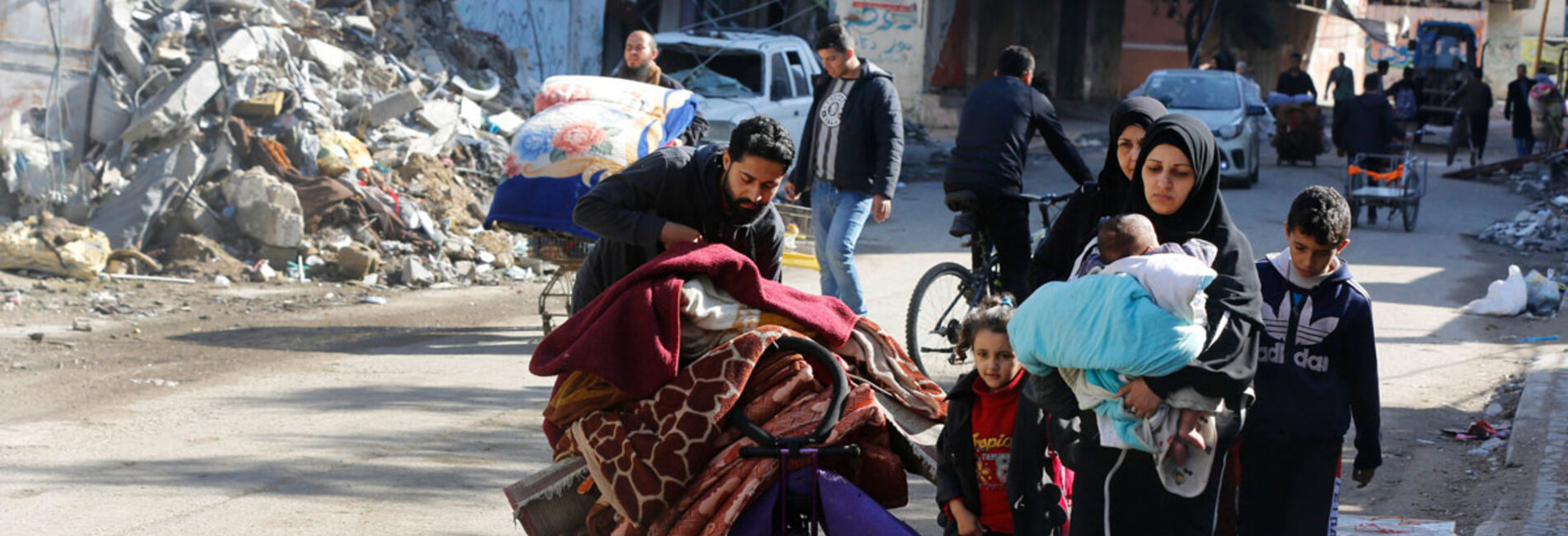
Over the past year, Rafah has experienced significant developments. Following the escalation of conflict in the region, the Rafah crossing with Egypt has become increasingly vital for the movement of displaced persons and essential supplies. The United Nations has reported a growing humanitarian crisis as Gaza faces shortages of food, medical supplies, and shelter, making Rafah’s role as a crossing point for aid particularly critical.
Humanitarian organisations, including the United Nations Relief and Works Agency (UNRWA), have set up operations in Rafah to provide support for the thousands of displaced families seeking refuge. The crossing has intermittently opened to allow for limited but essential traffic, underscoring its importance during crises. In recent weeks, the Egyptian government has also facilitated the passage of medical supplies and personnel into Gaza through Rafah, thereby increasing the crossing’s significance in regional humanitarian efforts.
The Strategic Importance of Rafah
Rafah is not only significant for humanitarian purposes but is also a centre of political activity. Various Palestinian factions, including Hamas, operate within the city, influencing both local governance and regional politics. The tensions arising from control of the Rafah crossing add an additional layer to the already complex interactions between Palestinian groups and the Egyptian authorities, as well as Israel. The situation remains fluid, with ongoing negotiations and discussions regarding the management of the city and its border access.
Conclusion
As Rafah continues to play a central role in the lives of the Gazan population, the city’s future will likely reflect the broader geopolitical dynamics at play in the region. Observers anticipate that continued conflict may necessitate further international intervention to address the humanitarian needs arising from the situation. For residents of Rafah, the crossing is not merely a passageway; it represents a lifeline and a crucial element in the ongoing quest for stability and peace within the region. As events unfold, the global community will undoubtedly be watching Rafah closely, understanding its implications for both the immediate humanitarian crisis and the long-term political landscape of the Middle East.
You may also like