Introduction
The lunar eclipse is a fascinating celestial event that captivates stargazers and science enthusiasts alike. It occurs when the Earth passes between the sun and the moon, casting a shadow on the moon. This astronomical phenomenon not only offers a breathtaking view but also plays a vital role in educating the public about lunar cycles and the dynamics of our solar system. As we approach the next lunar eclipse, which is set to occur on the evening of March 14, 2025, understanding its significance and how to view it becomes increasingly relevant.
Upcoming Lunar Eclipse Details
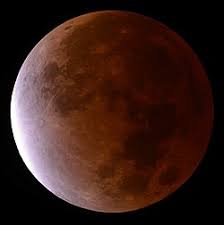
The March 14 lunar eclipse will be a total lunar eclipse, where the moon will take on a reddish hue, often referred to as a “blood moon.” This phenomenon is caused by Rayleigh scattering, where the Earth’s atmosphere filters sunlight, allowing only the longer wavelengths—reds and oranges—to reach the moon. The eclipse will be visible in various regions, including parts of Europe, Africa, and North America. This event marks an excellent opportunity for photography and scientific observation.
Viewing Conditions
For those interested in observing the eclipse, it’s essential to find a dark location away from city lights to ensure the best view. Weather conditions will also play a crucial role; clear skies are ideal for viewing the eclipse. As with past events, astronomers predict a surge in interest among the public, with many telescopes and local astronomy groups offering viewing parties and educational events.
Significance of Lunar Eclipses
Lunar eclipses have significant cultural and historical importance across various societies. Many ancient civilisations viewed lunar eclipses as omens, intertwined with their mythologies and calendars. Today, they provide an essential opportunity for scientific research, helping astronomers better understand the Earth-moon system and the atmosphere’s composition.
Conclusion
The upcoming total lunar eclipse on March 14, 2025, promises to be a stunning spectacle, showcasing the beauty and mystery of our universe. Whether an amateur astronomer or a casual observer, the eclipse offers a rare chance to engage with the cosmos. As we look forward to this event, it serves as a reminder of the celestial wonders that inspire curiosity and exploration among people worldwide. With proper preparation, viewers can ensure they make the most of this astronomical event and foster a deeper appreciation for our solar system.
You may also like